





ISO 14001 Certification in Manila
Manila sits between the Pasig River and Manila Bay, and much of its economy works close to the water. Container yards, printing presses, hospital wards and hotel kitchens all produce waste, wastewater and emissions that neighbors and regulators watch closely. ISO 14001 certification in Manila gives your organization an audited way to control those impacts. It also gives buyers, lenders and government agencies evidence they can rely on.
Univate Global helps Manila organizations design, implement and certify an environmental management system (EMS) that meets ISO 14001. For new projects, we work to the 2026 edition of the standard. We take you from gap analysis and aspect review through compliance mapping, operational controls, internal audit and the certification body’s audit.
Your operation might be a warehouse in Tondo, a printing plant, a hospital in Ermita or a contractor’s yard serving a Metro Manila infrastructure job. Our consultants study how materials, water and waste actually move through your site. We then build controls that your supervisors can run on a busy day, not only on audit day.
Free ConsultationContact Us
Our Clients





ISO 14001 Certification in Manila for Logistics Operators, Manufacturers and Hospitals
ISO 14001 suits any organization that uses resources and generates waste, which means almost every business. In the City of Manila, the strongest interest comes from sectors whose environmental footprint is large, regulated or visible to the public.
Port and logistics operators lead the list. Businesses around Manila South Harbor, the Manila International Container Terminal and the warehouse blocks of Tondo handle fuel, lubricants, refrigerants and packaging in volume. Their shipping lines and multinational shippers increasingly ask suppliers to show a certified EMS during vendor reviews.
Manufacturers, printers and food producers form the second group. Printing and publishing houses manage inks, solvents and paper waste. Smaller factories across the city deal with wastewater, air emissions and scrap. Food and beverage makers handle organic waste and cleaning chemicals. For these firms, the standard brings order to obligations that often sit in several separate permits.
Hospitals and healthcare facilities are a third group with a specific concern: medical waste. Infectious waste, sharps, pharmaceuticals and laboratory chemicals all need segregation, storage and treatment by licensed handlers. An EMS turns those duties into routine, auditable practice across every ward and shift.
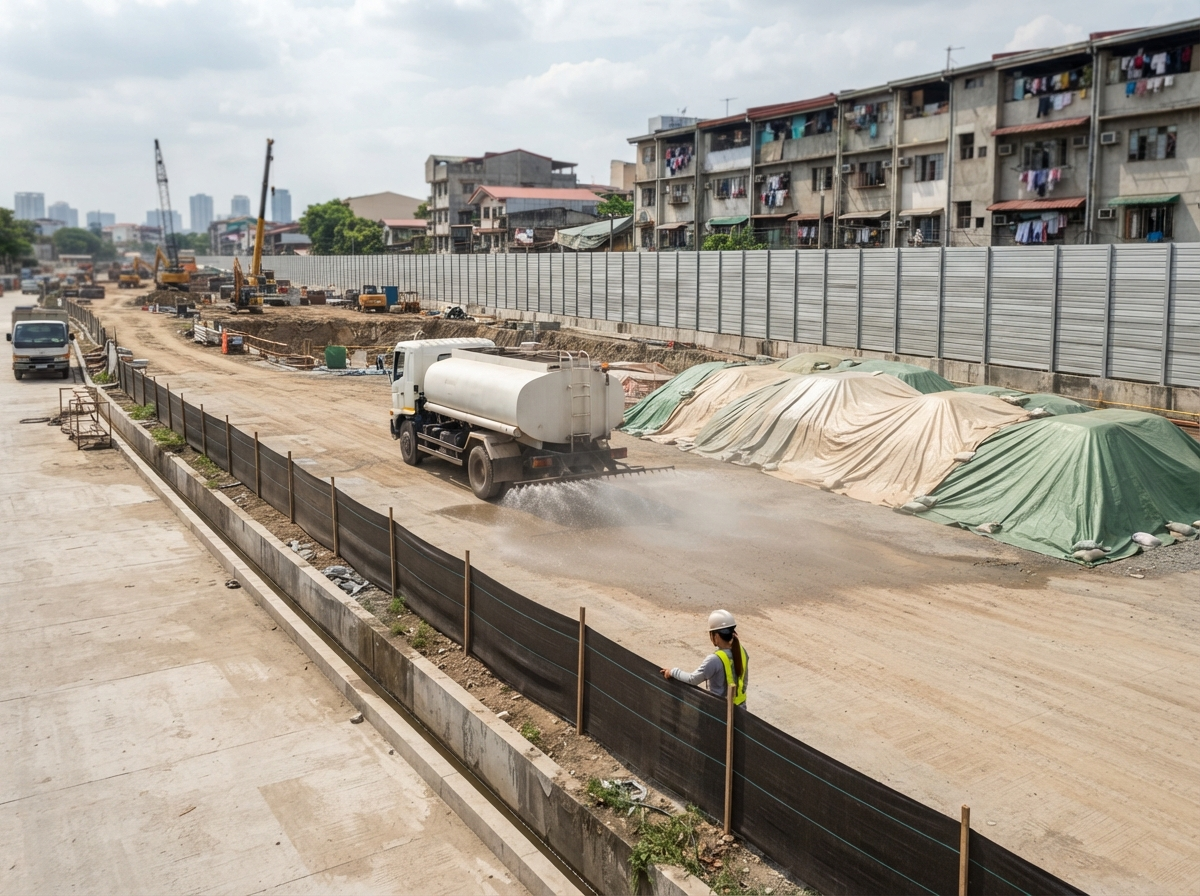
Other organizations also benefit. Hotels in Ermita and Malate track energy, water and food waste. Universities in the University Belt and Intramuros run laboratories and large campuses. Construction and infrastructure contractors manage dust, runoff, noise and spoil. Trading houses in Binondo handle packaging and returned goods. Government contractors often find the certificate helps when tender documents ask about environmental performance.
How ISO 14001 Certification Works in Manila
ISO 14001 is the international standard for environmental management systems, published by the International Organization for Standardization (ISO). It does not set emission limits or performance targets. Instead, it requires you to understand your environmental aspects, meet your compliance obligations, set objectives and keep improving through a managed cycle.
ISO 14001:2026 was published in 2026 and is now the current edition. Organizations certified to ISO 14001:2015 have a three-year transition, with all certificates due to move to the new edition by May 2029. The changes are moderate. The 2026 text broadens environmental conditions beyond climate to include pollution, biodiversity and natural resources. It also clarifies risks and opportunities and strengthens the life cycle perspective. Other updates cover planning of changes, controls over externally provided processes, products and services, and expanded guidance.
The roles are kept separate. A consultant such as Univate helps you build the EMS and prepare your team. An independent, accredited certification body then audits the system and issues the certificate. Because ISO 14001 shares the same high-level structure as ISO 9001, many Manila organizations run both under one integrated system.
Why Manila Businesses Invest in ISO 14001 Certification
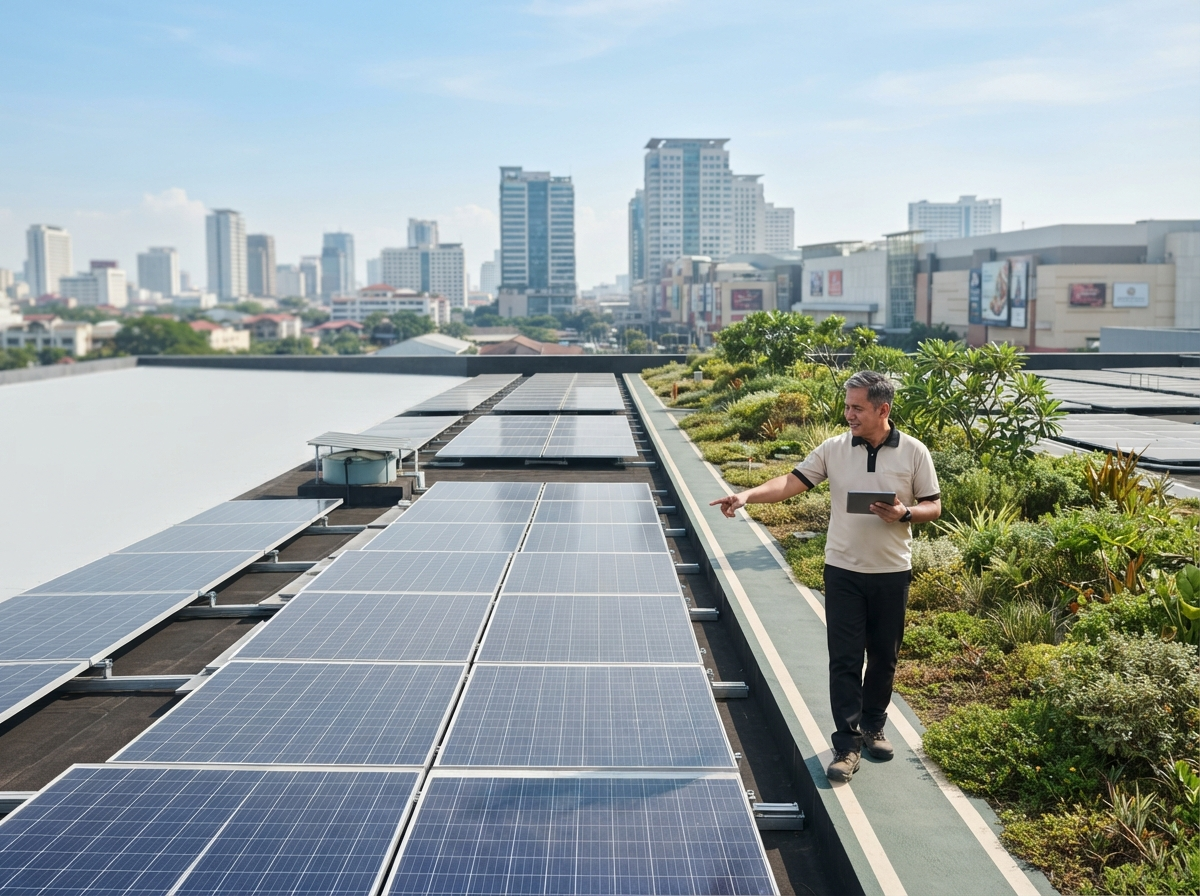
Manila is dense, low-lying and closely regulated. Factories, warehouses and hospitals sit beside homes, schools and esteros that drain toward the Pasig River and Manila Bay. Water quality in both is a long-running public concern, and each monsoon season brings flooding that can carry waste and chemicals off a poorly managed site. Environmental mistakes in this setting are rarely private. They draw complaints, inspections and press attention quickly.
Commercial pressure adds to this. Multinational shippers, retailers and lenders now include environmental questions in supplier assessments. Many local firms answer those questions with scattered permits and spreadsheets. Holding ISO 14001 certification in Manila lets you answer with one audited system instead. That can be the difference in a close procurement decision, especially for suppliers competing with firms in Makati, Bonifacio Global City or overseas.
ISO 14001 and DENR Environmental Laws
The Department of Environment and Natural Resources (DENR), through its Environmental Management Bureau (EMB), enforces the main laws a Manila EMS must address. These include the Philippine Environmental Impact Statement System under PD 1586 and its Environmental Compliance Certificates (ECCs). The Clean Air Act (RA 8749) and the Clean Water Act (RA 9275) also apply. So do the Ecological Solid Waste Management Act (RA 9003) and the Toxic Substances and Hazardous and Nuclear Wastes Control Act (RA 6969). Brand owners must also meet the Extended Producer Responsibility Act (RA 11898) for plastic packaging. Many facilities must also appoint an accredited Pollution Control Officer. ISO 14001 does not replace any of these duties. It gives you a structured way to identify them, assign owners, track deadlines and prove compliance through regular evaluation.
ISO 14001 Requirements: What Your Organization Will Need
The standard tells you what to achieve, not exactly how. A hospital in Malate and a freight forwarder in Tondo will meet the same clauses in very different ways. Even so, certification auditors expect certain core elements to be in place and working:
- A defined EMS scope, plus an analysis of your context, environmental conditions and interested parties
- An environmental policy and measurable objectives approved by top management
- A register of environmental aspects and impacts, rated for significance with a life cycle perspective
- A register of compliance obligations, including DENR permits, ECC conditions and client requirements
- Operational controls for waste, wastewater, emissions, chemicals and relevant outsourced processes
- Emergency preparedness and response plans, such as spill response and flood readiness
- Monitoring, measurement and periodic evaluation of compliance
- An internal audit program, management review records and a corrective action process
Paperwork alone will not pass the audit. Auditors walk the site, open waste storage areas, read discharge records and ask workers what they do with a spent drum or a broken lamp. We therefore spend as much effort on daily habits and records as on written procedures.
Leadership involvement matters too. Top management must set the policy, allocate resources and review results. Projects move faster when a senior sponsor is named early and a small team owns the work. That team usually includes the Pollution Control Officer, facilities, operations and procurement.
Our ISO 14001 Certification Process in Manila
We deliver ISO 14001 certification in Manila in six stages. Each stage produces a clear output, so your team always knows what has been done and what comes next.
Step 1 – Gap Analysis and Scoping
We review your permits, existing procedures, waste records and site conditions against the standard. Where you already hold ISO 14001:2015, we also check what the 2026 edition changes for you. We then agree on a scope. That could be one warehouse, a production plant, a hospital campus or several Metro Manila sites under one system.
Step 2 – Context, Aspects and Compliance Obligations
We map your inputs and outputs, from diesel and electricity to wastewater, packaging and clinical waste. Each aspect is rated for its environmental impact, including during floods and other abnormal conditions. In parallel, we build a register of the legal and client requirements that apply to you. This becomes the backbone of the whole EMS.
Step 3 – Controls, Documentation and Training
Next, we help you write the procedures that matter and put the controls into practice. Typical examples are waste segregation at source, chemical storage, oil and spill control, and supplier and contractor requirements. We train supervisors and workers on what changes in their daily tasks and why it matters to the site.
Step 4 – Internal Audit, Compliance Evaluation and Management Review
Before the external audit, we run a full internal audit of the EMS. We also complete a formal evaluation of compliance against your obligations register. Findings are corrected and verified, and your leadership team holds its first management review. These steps are mandatory and are the best rehearsal for the certification audit.
Step 5 – Certification Audit (Stage 1 and Stage 2)
An accredited certification body audits the EMS in two stages. Stage 1 reviews documentation, scope and readiness. Stage 2, usually a few weeks later, tests whether controls work through site tours, interviews and record sampling. We prepare your people for both stages and help you respond to any nonconformities raised.
Step 6 – Surveillance and Recertification
Your ISO 14001 certificate is valid for three years. The certification body returns for surveillance audits in the first and second years, followed by a recertification audit in the third. We can keep supporting you with internal audits, compliance reviews and updates as your operations, permits or the standard change.
Typical ISO 14001 Timeline for Manila Organizations
The table below shows indicative durations for a small or mid-sized organization with one site. Actual timelines depend on scope, site complexity and how well your current permits and records are organized.
| Phase | Key activities | Indicative duration | Main output |
|---|---|---|---|
| Gap analysis and scoping | Site walk, permit and record review, scope agreement | 1–2 weeks | Gap report and project plan |
| Aspects and obligations | Aspect rating, legal and client requirement mapping | 2–3 weeks | Aspects register and compliance obligations register |
| Implementation | Procedures, operational controls, emergency plans, training | 6–12 weeks | Working EMS with records |
| Internal audit and review | Internal audit, compliance evaluation, corrective actions, management review | 2–3 weeks | Audit report and closed findings |
| Certification audit | Stage 1 and Stage 2 audits by an accredited certification body | 2–6 weeks, including scheduling | ISO 14001 certificate |
Most single-site organizations finish within three to six months. Multi-site groups, heavy industrial operations or sites with outstanding permit issues may need six to nine months.
ISO 14001 Certification in Manila: Cost and Timeline
There is no fixed price for an EMS, because the effort depends on what you do and where you do it. A quote given before anyone has looked at your site is a guess. These are the main factors that shape the cost of ISO 14001 certification in Manila.
Headcount and Scope
The number of people working within the EMS scope drives both consulting effort and certification audit days. A tightly defined scope keeps both proportionate.
Environmental Complexity of Your Activities
An office tenant in Ermita has few significant aspects. A printing plant, a cold storage warehouse or a hospital with its own laboratory has many more. Certification bodies allocate more audit time to higher-complexity operations, and consultants need more time to build controls for them.
Sites, Shifts and Project Locations
Each extra site adds implementation and audit work. Contractors also need to consider temporary project sites, since auditors may sample an active job to see how dust, runoff and waste are controlled in practice.
Consulting Fees and Certification Body Fees
Your investment has two separate parts. Consulting support covers building and preparing the EMS. The certification body’s fee covers Stage 1, Stage 2 and the later surveillance and recertification audits.
Choose a certification body accredited by the Philippine Accreditation Bureau or by another member of the International Accreditation Forum (IAF). Accredited certificates carry weight with multinational buyers and in public tenders. Once we understand your scope, we provide a clear, itemized quote that separates our fees from the audit fees you will pay the certification body.
On timing, most single-site Manila organizations with 20 to 200 people reach the certification audit in three to six months. The biggest variable is usually internal: how quickly records can be gathered and permit gaps closed. If you also need quality or safety certification, our Philippines team can plan the projects together.
Benefits of ISO 14001 Certification for Manila Businesses
Done well, ISO 14001 certification in Manila pays back in operations, sales and reputation. Most organizations notice practical gains within the first year.
Fewer Compliance Surprises
A living register of obligations means permit renewals, discharge monitoring and waste manifests stop slipping through the cracks. When an inspector from the EMB visits, the evidence is already organized. Regular compliance evaluations catch issues before a regulator or a neighbor does.
Lower Resource and Waste Costs
Tracking electricity, fuel, water and waste often reveals savings that pay for part of the project. Hotels see it in laundry and kitchens. Warehouses see it in forklift charging and packaging. Printers see it in ink and paper waste.
Readiness for Floods and Emergencies
Monsoon flooding is a real risk in low-lying districts. An EMS requires you to plan for spills, chemical releases and floodwater reaching storage areas. Those plans can sit alongside wider continuity planning under ISO 22301.
Stronger Tenders and Supplier Reviews
Government agencies, multinational shippers and large developers increasingly ask about environmental management in prequalification. An accredited certificate answers those questions directly and gives your proposals more credibility.
An Integrated Management System
ISO 14001 shares its structure with ISO 9001 and ISO 45001. Many Manila firms run all three as one system with joint audits and shared procedures, which cuts duplicated paperwork and audit days.
Why Manila Companies Choose Univate for ISO 14001
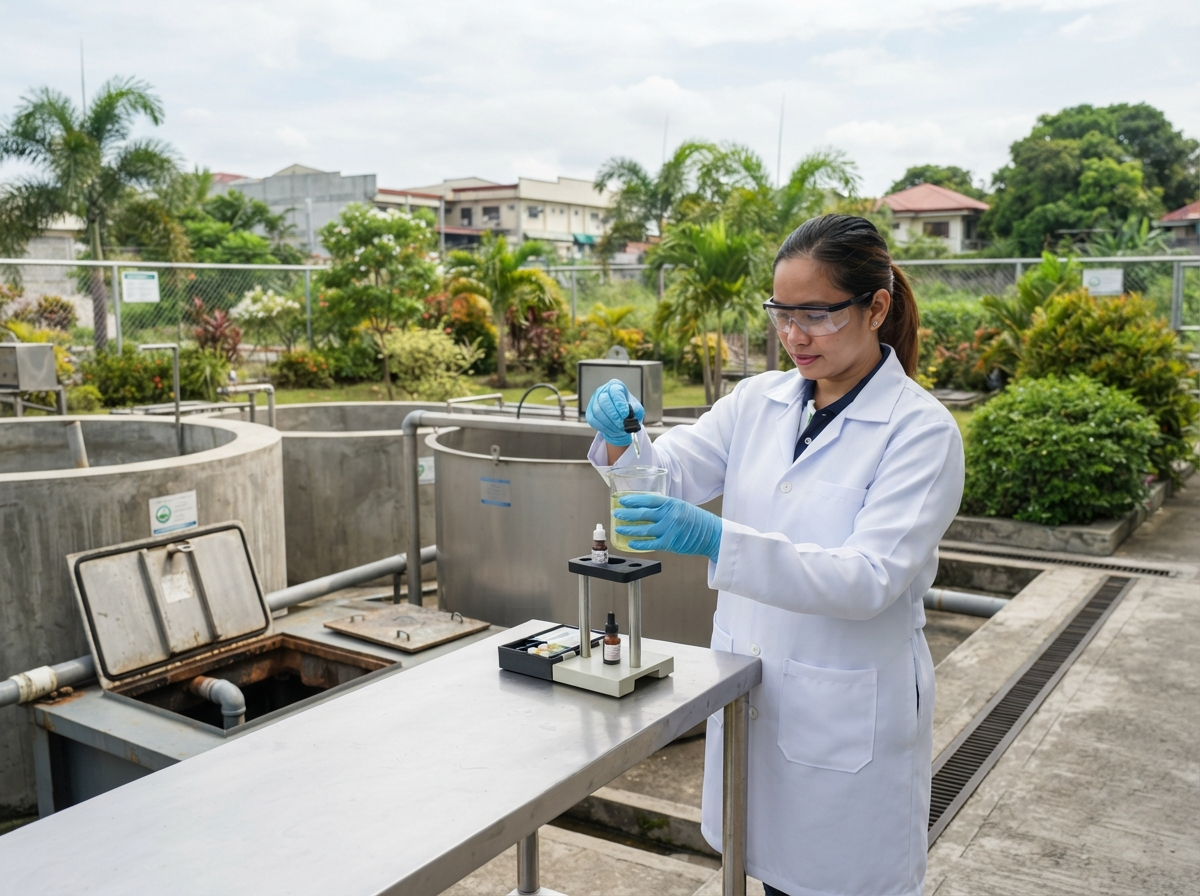
Univate has consulted more than 300 enterprises across compliance and risk, and our team has logged over 1,000 audit man-days in critical infrastructure and regulated industries. Our consultants include specialists with decades of experience in quality, risk and governance. With our Philippine office in nearby Makati, we understand both DENR expectations and the supplier requirements that multinational clients bring to Manila.
We build systems around how your site really runs. Procedures follow your actual waste streams, equipment and shift patterns, so the EMS keeps working after the auditor leaves. We are your consultant, not your certifier. That separation keeps the audit independent, and it means our only job is to get you ready and keep you ready.
Many Manila sites also face safety risks alongside environmental ones, especially in ports, construction and manufacturing. We can design one integrated system that covers both, with shared risk registers, audits and management reviews.
ISO 14001 Certification Services Across Manila
We deliver ISO 14001 certification in Manila through a hybrid model. Workshops, document reviews and progress meetings run mostly online. On-site visits are planned for key milestones, such as the initial site walk, the aspects review and the internal audit.
Within the City of Manila, we work with logistics and warehousing firms in the Port Area and Tondo, and traders and distributors in Binondo. We also support hotels and hospitals in Ermita and Malate, and universities in Sampaloc and Intramuros. Manufacturers, printers and service providers in Santa Mesa, Paco and Pandacan are part of the same coverage area.
We also support organizations across Metro Manila, including Makati, Bonifacio Global City, Ortigas Center, Pasay and Alabang. Many clients run several sites, so one EMS can cover a Manila warehouse and offices elsewhere in the metro. For teams north of the city, see our ISO 14001 certification in Quezon City service.
Planning ISO 14001 certification in Manila?
Tell us about your scope, your sites and your timeline, and we will come back with a clear plan.
Client Testimonials
It was really a great partnership with their team.
Sultan
I had the pleasure and opportunity of working with Univate Solutions on a couple of High Maturity (ML5) CMMI appraisals and found them to be one of the best.
Amulya P
Team Univate holds many professional approaches.
Ashish Sherlekar
ISO 14001 Certification in Manila: Frequently Asked Questions
How long does ISO 14001 certification in Manila take for a typical organization?
A single-site organization is usually ready for the certification audit within three to six months. Multi-site groups, heavy industrial operations or sites with unresolved permit issues may take six to nine months. Your team’s availability to gather records is often the deciding factor.
Does ISO 14001 replace our DENR permits or ECC?
No. ISO 14001 is voluntary and works alongside Philippine law. You still need your ECC, discharge and emission permits, hazardous waste registrations and an accredited Pollution Control Officer where required. The EMS helps you keep those obligations current and proves you are managing them.
We are certified to ISO 14001:2015. When do we need to transition?
Certificates issued against the 2015 edition must move to ISO 14001:2026 by May 2029. Most certification bodies handle the transition during a surveillance or recertification audit. Planning it early avoids a rush in the final year.
Should a new EMS project use the 2026 edition?
Yes. If you are starting now, implement against ISO 14001:2026 where your certification body offers it. Building to the 2015 edition would only create a second transition project within a few years.
Is ISO 14001 useful for an office or BPO with no factory?
It can be. Office-based firms still manage energy, e-waste, paper and the environmental practices of their suppliers. Some multinational clients ask all vendors about environmental management. A smaller scope keeps the effort modest.
How does the standard deal with flooding and Manila Bay concerns?
ISO 14001 requires you to consider environmental conditions affecting your site and to prepare for emergencies. For many Manila sites, that means flood-proof chemical storage, spill kits, drainage checks and plans that keep contaminated water out of esteros and the bay.
Can we combine ISO 14001 with ISO 9001 and ISO 45001?
Yes. All three share the same high-level structure, so they can run as one integrated management system. Certification bodies can audit them together, which reduces audit days and duplicated documents.
Can one certificate cover sites in Manila and Cebu?
Yes, a multi-site scope is possible if the sites run under one EMS with central control. Auditors will sample sites according to accreditation rules. Teams with Visayas operations can also see our ISO 14001 certification in Cebu service.
Who issues the ISO 14001 certificate?
An independent certification body issues it, not a consultant. Choose a body accredited by the Philippine Accreditation Bureau or another International Accreditation Forum member, so that buyers and tender committees recognize the certificate.
Start Your Project for ISO 14001 Certification in Manila
Perhaps a buyer has asked for your certificate, a tender requires it, or you simply want firmer control of your environmental risks. Either way, the first step is a short conversation about your sites, permits and goals. Our consultants will recommend a sensible scope and send an itemized proposal for ISO 14001 certification in Manila.
Book a Free Consultation Call +63 963 451 6528Prefer to talk first? Call our Philippines team on +63 963 451 6528, or send us your requirements through the contact form.
Email: info@univateglobal.com