





ISO 22000 Certification in Manila
Much of the food eaten in Metro Manila passes through the City of Manila first. Frozen meat and seafood clear the Port Area, and wholesalers in Binondo and Divisoria break down bulk goods. Hotel kitchens in Ermita feed thousands of guests daily. ISO 22000 certification in Manila shows buyers, regulators and diners that your food safety controls are designed, documented and independently audited.
Univate Global helps Manila food businesses build a Food Safety Management System (FSMS) that meets ISO 22000:2018. We start with a gap analysis and hazard review, then guide you through prerequisite programs, HACCP planning, traceability, internal audit and the external certification audit.
Our consultants work with the operation you actually run. That might be a cold storage facility near the harbor or a sauce plant in Pandacan. It might be a central kitchen supplying a university canteen in Sampaloc. You will not be handed a binder of copied procedures. We build controls around your products, your floor plan and your people.
Free ConsultationContact Us
Our Clients








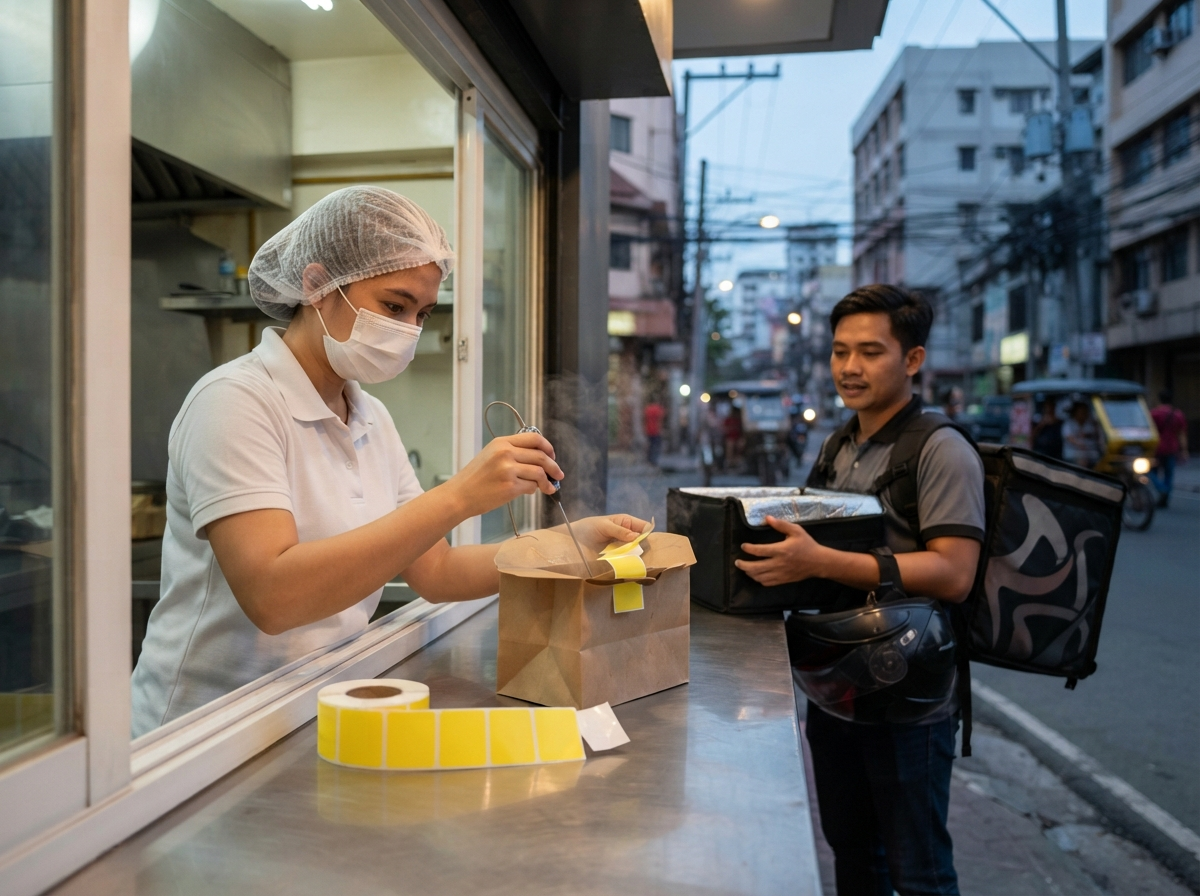
ISO 22000 Certification in Manila for Food Traders, Cold Chain Operators and Hospitality Kitchens
ISO 22000 applies to every organization in the food chain, from primary handling to the plate. That includes companies that never cook anything but still store, transport or repack food. In Manila, interest comes mainly from three groups.
Food importers, traders and distributors are the largest. Binondo and Divisoria remain the city’s busiest wholesale districts for dried goods, condiments, noodles, canned products and confectionery. Supermarket chains and institutional buyers increasingly ask these suppliers for documented food safety controls rather than a simple product list.
Port-based logistics and cold chain operators are a close second. Importers of frozen meat, poultry and fish rely on cold storage warehouses in Tondo and around the Manila International Container Terminal. A single temperature break during unloading can compromise an entire shipment, so buyers want proof that the chain is controlled from vessel to delivery truck.
Hotels, restaurants and institutional food service form the third group. Hotels along Roxas Boulevard, restaurants in Malate and Ermita, and kitchens serving hospitals, schools and universities handle high volumes for vulnerable consumers. Hospital patients and young students are less able to recover from foodborne illness, which raises the stakes considerably.
Food manufacturers in Santa Mesa, Paco and Pandacan also seek certification. Many produce bakery goods, sauces, beverages or processed meats for retailers that demand audited suppliers. Packaging and printing companies that supply food-contact materials sometimes need to show food safety awareness as well.
Size is rarely a barrier. A 25-person repacking business in Binondo can certify with a narrow, well-defined scope. The effort grows with the number of products, processes and sites you include.
How ISO 22000 Certification Works in Manila
ISO 22000 is the international standard for food safety management systems, published by the International Organization for Standardization (ISO). It combines the HACCP principles of the Codex Alimentarius with a management system structure shared by other ISO standards. That shared structure makes it straightforward to integrate with quality management.
The current edition is ISO 22000:2018, amended in 2024 to add climate change considerations to how an organization understands its context. A new edition is under development, but 2018 certificates remain the basis for certification today. Organizations starting now should implement the 2018 edition with the 2024 amendment.
Many Manila companies also hear about FSSC 22000. It is a certification scheme built on ISO 22000, plus sector-specific prerequisite programs from the ISO 22002 series and extra scheme requirements. FSSC 22000 carries Global Food Safety Initiative (GFSI) recognition, which ISO 22000 on its own does not. FSSC 22000 Version 7 was published on 1 May 2026, and from 1 May 2027 every FSSC 22000 audit must use Version 7.
Roles are kept separate. A consultant such as Univate helps you design and prepare your FSMS. An independent, accredited certification body then audits it and issues the certificate. That separation is what gives ISO 22000 certification in Manila its credibility with buyers.
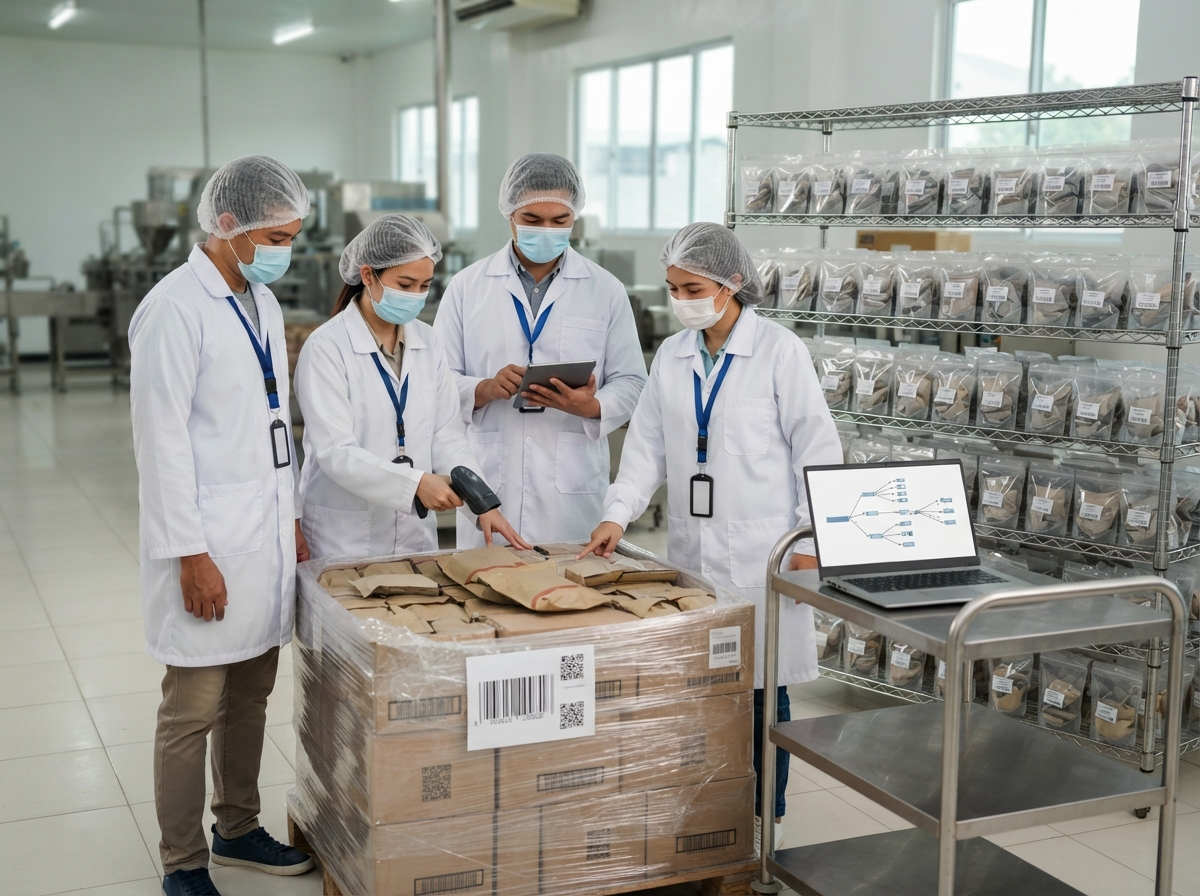
Why Manila Businesses Invest in ISO 22000 Certification
Manila’s food trade is crowded and price-driven. Supermarket chains, hotel groups and export customers can choose from dozens of suppliers offering similar products. An accredited food safety certificate gives buyers a quick way to separate disciplined operators from the rest.
Customer audits are another driver. Large retailers and hotel groups often send their own auditors to suppliers, each with a different checklist. A certified FSMS answers many of those questions in advance and can reduce how often second-party audits are needed.
The city’s climate adds practical pressure. Monsoon flooding can cut off warehouses in low-lying districts, and extreme heat strains refrigeration and delivery vans. ISO 22000 requires emergency preparedness and response planning, which turns those seasonal risks into tested procedures.
ISO 22000 and the Philippine Food Safety Act
The Food Safety Act of 2013 (Republic Act 10611) sets the national framework for food safety across the farm-to-fork chain. Under the law, food business operators carry the main responsibility for the safety of what they sell. Regulatory oversight is shared among several agencies. For processed food, the Food and Drug Administration (FDA) is the regulator and issues each establishment’s License to Operate. Fishery products fall under the Bureau of Fisheries and Aquatic Resources (BFAR), while meat falls under the National Meat Inspection Service (NMIS).
ISO 22000 does not replace any of these licenses or inspections. You still need your FDA License to Operate and any BFAR or NMIS accreditation that applies to your products. What ISO 22000 provides is a structured system for meeting the operator duties in RA 10611. It also produces the records an inspector or buyer will ask to see.
ISO 22000 Requirements: What Your Organization Will Need
The standard does not prescribe a single way of working. A Binondo distributor and a Pandacan beverage plant will meet the same clauses in very different ways. Even so, every ISO 22000 certification in Manila that we support depends on a common set of elements:
- A defined FSMS scope listing the products, processes, sites and food chain stages covered
- A food safety policy and measurable objectives endorsed by top management, with a named food safety team leader
- Prerequisite programs (PRPs) for hygiene, pest control, cleaning, water, waste, maintenance and supplier approval
- A hazard analysis covering biological, chemical, physical and allergen hazards for each product and process step
- A hazard control plan setting out critical control points (CCPs) and operational PRPs, with critical limits, monitoring and corrections
- Traceability records one step back and one step forward, plus a tested recall and withdrawal procedure
- Emergency preparedness procedures and interactive communication with suppliers, customers and regulators
- Verification and validation activities, internal audits, management review and corrective action records
Certification auditors look beyond paperwork. They walk the production floor, watch how staff handle raw and cooked products, and check that monitoring records match what they see. A temperature log filled in at the end of a shift will not pass scrutiny.
Leadership involvement matters as much as technical work. Top management must assign a food safety team leader, provide resources and review results. Projects move fastest when the team includes people from production, purchasing, warehousing and quality, not only the quality assurance officer.
Our ISO 22000 Certification Process in Manila
We deliver ISO 22000 certification in Manila in six practical stages. Each stage ends with a clear output, so your team always knows what is finished and what comes next.
Step 1 – Gap Analysis and Site Walkthrough
We start on your premises. Our consultants walk through receiving, storage, preparation, packing and dispatch, and review your existing licenses, permits and records. The resulting gap report compares current practice with ISO 22000 requirements. Together, we agree on a scope that matches your customer demands and your capacity.
Step 2 – Prerequisite Programs and Infrastructure
Before hazard analysis, the basic hygiene conditions must be under control. We help you strengthen prerequisite programs such as cleaning schedules, pest control, personal hygiene, water quality and supplier approval. For older buildings in districts like Binondo or Tondo, we help prioritize practical fixes such as pest proofing and drainage.
Step 3 – Hazard Analysis and Control Plan
Your food safety team then maps each process step and identifies the hazards that could occur. We guide the team through assessing each hazard and choosing control measures. The result is a hazard control plan that separates critical control points from operational PRPs, with clear limits and monitoring methods.
Step 4 – Documentation, Training and Traceability
We draft the procedures, forms and work instructions your system needs, keeping them short enough for floor staff to use. Training covers hygiene, monitoring, corrections and allergen handling. We also run a traceability exercise, tracing a finished product back to its raw material lot and forward to its customers.
Step 5 – Internal Audit, Verification and Management Review
Our consultants conduct a full internal audit and help you verify that control measures work as planned. We review monitoring records, test a mock recall and check corrective actions. Your leadership team then holds its first formal management review, which the standard requires before certification.
Step 6 – Certification Audit and Ongoing Support
An accredited certification body audits your FSMS in two stages. Stage 1 checks documentation and readiness, and Stage 2 assesses how the system works in practice. We prepare your team for interviews and floor checks, and help you respond to any nonconformities. After certification, we can support internal audits and updates before each annual surveillance audit.
Typical ISO 22000 Timeline for Manila Organizations
The table below gives indicative durations for a single-site food business with a moderate product range. Your timeline will depend on scope, product complexity and existing hygiene standards.
| Phase | Key activities | Indicative duration | Main output |
|---|---|---|---|
| Gap analysis and scoping | Site walkthrough, license and record review, scope agreement | 1–2 weeks | Gap report and project plan |
| Prerequisite programs | Cleaning, pest control, hygiene, water, supplier approval, maintenance | 3–6 weeks | Working PRPs with records |
| Hazard analysis and planning | Flow diagrams, hazard assessment, CCP and OPRP selection | 2–4 weeks | Hazard control plan |
| Implementation and training | Procedures, monitoring forms, staff training, traceability test | 4–8 weeks | Operating FSMS with evidence |
| Internal audit and review | Internal audit, mock recall, corrective actions, management review | 2–3 weeks | Audit report and closed findings |
| Certification audit | Stage 1 and Stage 2 audits by an accredited certification body | 2–6 weeks, including scheduling | ISO 22000:2018 certificate |
Most single-site organizations are ready for certification within four to six months. Multi-site distributors, plants with many product lines, or facilities needing building upgrades may need six to nine months.
ISO 22000 Certification in Manila: Cost and Timeline
No honest provider can quote a fixed price without seeing your operation. The effort depends on what you produce, how you produce it and how much is already in place. These factors shape your total investment.
Product Range and Process Complexity
A trader repacking dry goods has fewer hazards to control than a plant cooking, chilling and packing ready-to-eat meals. More product categories and more process steps mean more hazard analysis, more monitoring and more audit time.
Number of Sites and Shifts
Each warehouse, kitchen or plant in scope adds implementation and audit work. A distributor with a Binondo office, a Tondo warehouse and a commissary elsewhere in Metro Manila will need more audit time than a single site.
Condition of Facilities and Existing Programs
Organizations that already hold an FDA License to Operate and run solid hygiene programs usually need less consulting support. Older buildings that need structural fixes, such as better drainage or pest proofing, can add time and capital costs.
Consulting Fees and Certification Body Fees
Your investment has two separate parts. Consulting support covers building and preparing the FSMS. The certification body charges for Stage 1, Stage 2 and annual surveillance audits, with audit days based on scope and complexity. Choosing FSSC 22000 instead of ISO 22000 alone adds scheme requirements and some audit time.
We recommend a certification body accredited by the Philippine Accreditation Bureau or another International Accreditation Forum (IAF) member. An accredited certificate carries weight with local retailers and overseas buyers alike. For FSSC 22000, the certification body must also be licensed by the scheme owner. Once we understand your scope, we provide an itemized quote that shows each component clearly.
On timing, most single-site Manila food businesses reach the certification audit in four to six months. The main variable is internal: how quickly your team completes prerequisite fixes, keeps monitoring records and closes findings. Companies also seeking quality certification can plan both projects together.
Benefits of ISO 22000 Certification for Manila Businesses
The value of ISO 22000 certification in Manila shows up in daily operations as well as in sales meetings. Most organizations notice the difference within the first year.
Access to Retail, Hotel and Institutional Buyers
Supermarket chains, hotel groups, airlines and hospital caterers increasingly shortlist only suppliers with recognized food safety certification. A certificate helps a Binondo distributor or Santa Mesa manufacturer compete for those accounts on equal terms.
Fewer Incidents, Complaints and Recalls
Structured hazard analysis forces you to look at real risks. These include allergen cross-contact, undercooking, temperature abuse during delivery, and foreign matter from aging equipment. Controlling them consistently reduces customer complaints, product returns and costly recalls.
Stronger Cold Chain and Supplier Control
ISO 22000 requires you to evaluate suppliers and communicate food safety needs along the chain. For importers relying on port clearance and cold storage, this means tighter receiving checks, better temperature records and clearer agreements with logistics partners.
Readiness for Floods, Outages and Disruptions
Emergency preparedness procedures help you decide in advance what to do when a warehouse floods or power fails. Clear rules on which products to hold, test or discard protect both consumers and your reputation. For wider continuity planning, ISO 22301 builds on the same structure.
A Path Toward FSSC 22000 and Export Markets
Because FSSC 22000 is built on ISO 22000, an ISO 22000 system is a strong foundation for a later GFSI scheme. Manufacturers who start with ISO 22000 can upgrade when export buyers or multinational retailers require it.
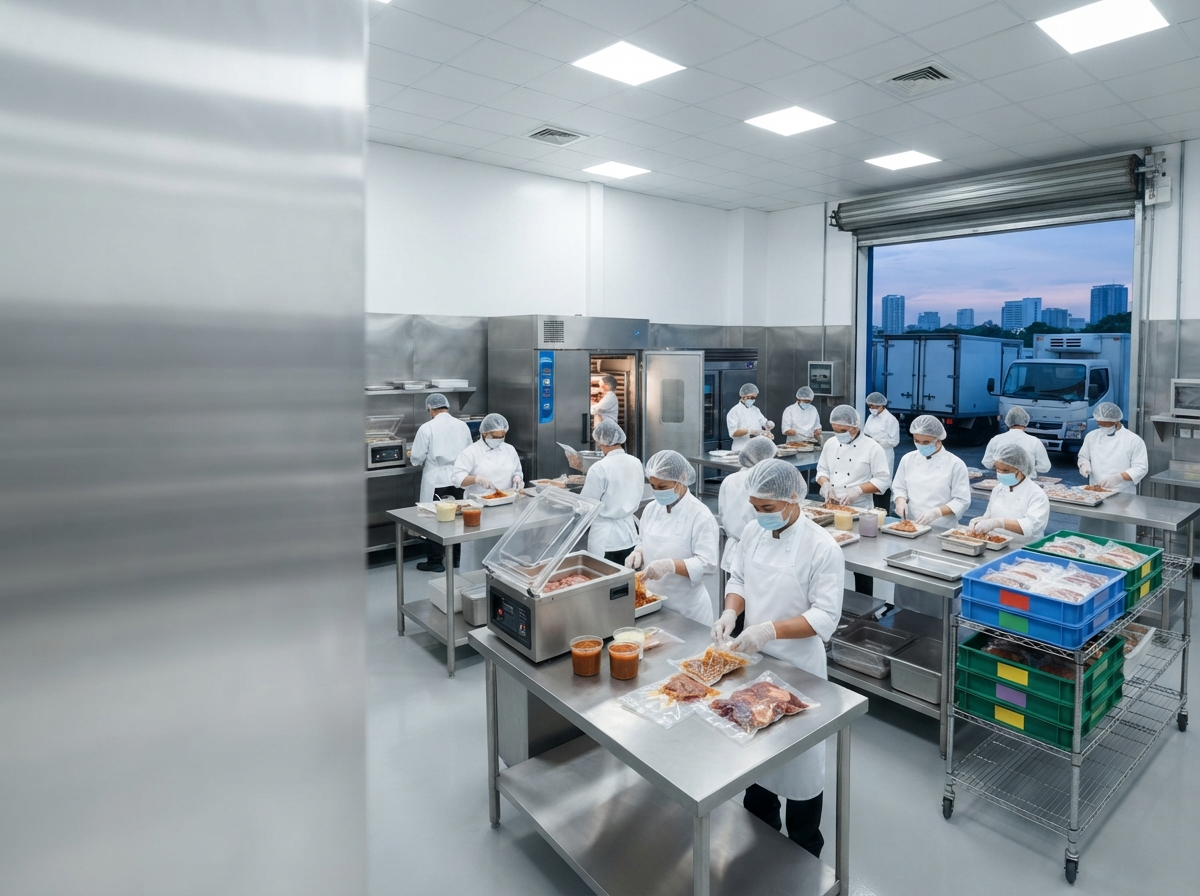
Why Manila Companies Choose Univate for ISO 22000
Univate has consulted more than 300 enterprises across cybersecurity and compliance. Our team has completed over 1,000 audit man-days in critical infrastructure and regulated industries. Our consultants include specialists with decades of experience in quality, risk and governance. That background helps us build food safety systems that stand up to independent auditors and demanding buyers.
We design systems for the people who run them. Procedures are written in plain language, forms are kept practical for busy kitchens and warehouses, and controls fit your actual workflow. We act as your consultant, never your certifier. That keeps the audit independent and lets us focus entirely on your readiness.
Our Philippine office is in Makati, a short trip from Manila’s food districts. Many clients combine food safety with workplace safety or quality management. We can design ISO 22000 certification in Manila projects that share documents and audits across standards.
ISO 22000 Certification in Manila: Services Across the City
We support food businesses across the City of Manila using a hybrid delivery model. Document reviews, training sessions and progress meetings can run remotely. On-site visits are planned for the site walkthrough, hazard analysis workshops, internal audit and pre-audit checks, because food safety must be seen on the floor.
In Binondo and Divisoria, we work with importers, wholesalers and repackers of dried, canned and packaged goods. In the Port Area and Tondo, we support cold storage operators, freight forwarders and warehouses handling imported meat and seafood. In Ermita, Malate and Intramuros, we work with hotels, restaurants, hospital kitchens and caterers. In Sampaloc, Santa Mesa, Paco and Pandacan, we support university food service providers and food manufacturers.
We also support organizations elsewhere in Metro Manila, including Makati, Bonifacio Global City, Ortigas Center, Pasay and Alabang. Food processors and commissaries in Quezon City can find a dedicated page on ISO 22000 certification in Quezon City.
Planning ISO 22000 certification in Manila?
Tell us about your scope, your sites and your timeline, and we will come back with a clear plan.
Client Testimonials
It was really a great partnership with their team.
Sultan
I had the pleasure and opportunity of working with Univate Solutions on a couple of High Maturity (ML5) CMMI appraisals and found them to be one of the best.
Amulya P
Team Univate holds many professional approaches.
Ashish Sherlekar
ISO 22000 Certification in Manila: Frequently Asked Questions
How long does ISO 22000 certification in Manila usually take?
Most single-site food businesses are ready for the certification audit in four to six months. Timelines stretch when facilities need structural repairs, when product ranges are wide, or when several warehouses and kitchens are in scope. Multi-site projects often take six to nine months.
ISO 22000 or FSSC 22000: which suits a Manila food business?
It depends on who your buyers are. ISO 22000 suits domestic retailers, hotels and institutional buyers who want an accredited food safety system. FSSC 22000 adds sector prerequisite programs and scheme rules, and is GFSI-recognized. Choose it when export customers or multinational retailers specifically require a GFSI scheme.
Is ISO 22000 a substitute for an FDA License to Operate?
No. The FDA License to Operate is a legal requirement under Philippine law, and ISO 22000 is voluntary. Certification supports your compliance with the Food Safety Act of 2013, but you still need every license, permit and inspection that applies to your products.
Can a food trader without a factory get certified?
Yes. ISO 22000 covers any organization in the food chain, including importers, distributors, warehouses and transport providers. For a trader, the focus shifts to supplier approval, storage conditions, pest control, temperature control and traceability rather than cooking or processing steps.
What is the difference between HACCP and ISO 22000?
HACCP is a method for identifying and controlling hazards at critical points in a process. ISO 22000 includes HACCP principles but adds a full management system. That system covers leadership, prerequisite programs, communication, internal audits and continual improvement.
How many years does an ISO 22000 certificate last?
An ISO 22000 certificate is normally valid for three years. The certification body carries out surveillance audits in the first and second years, then a recertification audit before the certificate expires.
Can a hotel or hospital kitchen get ISO 22000 certified?
Yes. Hotel kitchens, banquet operations, hospital food service and school canteens can all certify. The hazard analysis focuses on receiving, cold storage, cooking, holding, plating and serving, with extra attention to allergens and vulnerable consumers.
Do you support food businesses outside Manila?
Yes. We support organizations throughout the Philippines, including food exporters in Cebu, using the same structured approach. Visayas-based businesses can read our page on ISO 22000 certification in Cebu.
Is Univate the body that issues our certificate?
No. Univate is a consultant. We prepare your organization and support you through the audit, but the certificate is issued by an independent, accredited certification body that you select. We can help you compare certification bodies and their accreditation.
Start Your ISO 22000 Certification Project in Manila
Whether a retailer has asked for your certificate or you want stronger control over your food safety risks, the first step is a short conversation. We will review your products, sites and current programs, then recommend whether ISO 22000 or FSSC 22000 fits better. You will receive a clear, itemized proposal for ISO 22000 certification in Manila.
Book a Free Consultation Call +63 963 451 6528Prefer to talk first? Call our Philippines team on +63 963 451 6528, or send your requirements through the contact form.
Email: info@univateglobal.com