





ISO 22000 Certification in Cebu
Cebu feeds far more people than live on the island. Dried mango leaves Mactan for Asian and Western shelves, seafood moves through the port in chilled vans, and resort kitchens serve thousands of guests a day. ISO 22000 certification in Cebu gives buyers, importers and inspectors independent evidence that the food you make, pack or serve is controlled at every step.
Univate Global helps Cebu food businesses design and implement a food safety management system (FSMS) that meets ISO 22000:2018 and its 2024 amendment. We cover hazard analysis, prerequisite programs, HACCP plans, traceability and recall. We then prepare your team for the internal audit and the external audit by an accredited certification body.
Your operation might be a fruit processor in Mandaue, a lechon commissary in Cebu City, a fish processor near the port or a bakery supplying pasalubong shops. We build the system around your real production lines, raw materials and buyers. The aim is a food safety system your line leaders and QA staff run every shift, not a manual written only for audit week.
Free ConsultationContact Us
Our Clients








ISO 22000 Certification in Cebu for Food Exporters, Processors and Hospitality Kitchens
ISO 22000 applies to any organization in the food chain, from primary processing through packaging, storage, transport and food service. In Metro Cebu, three groups ask about it most often.
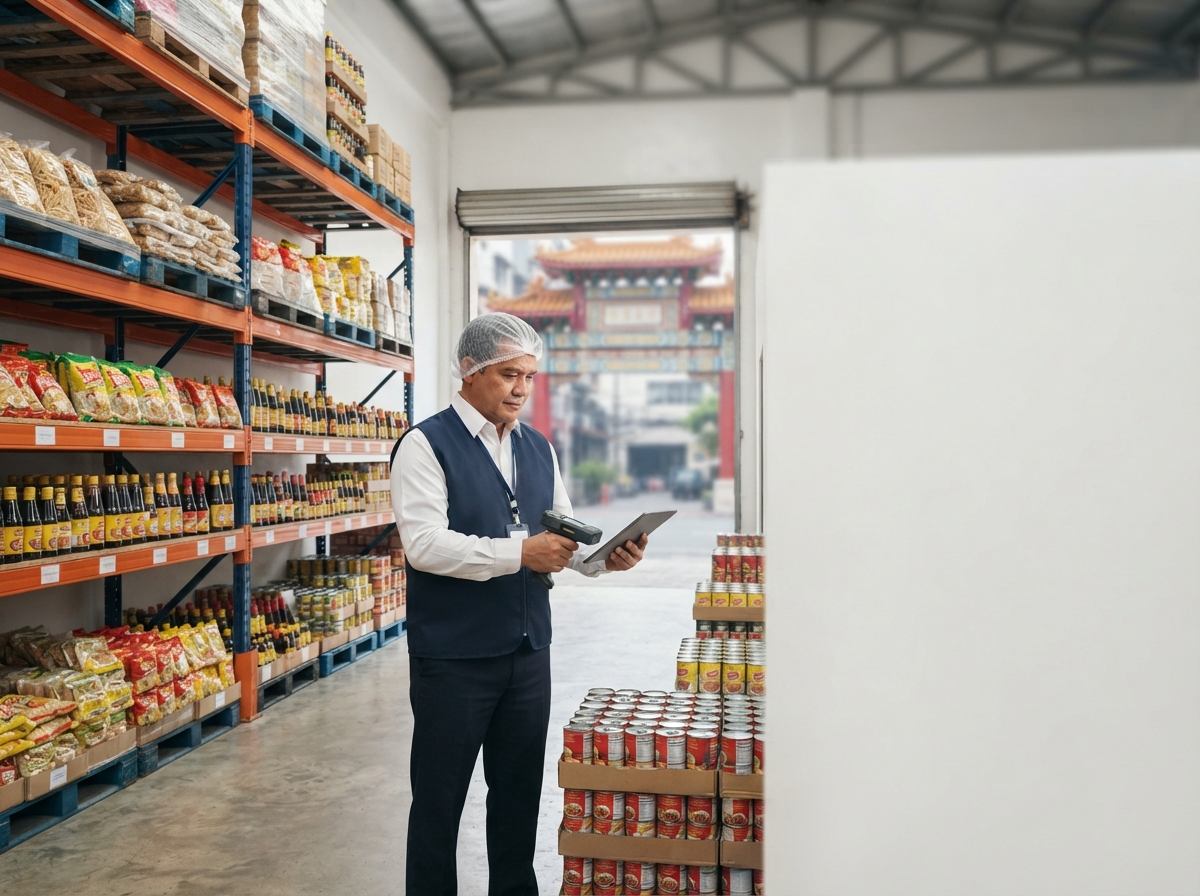
Export food manufacturers lead the list. Dried mango, fruit purees, banana and coconut snacks, and other shelf-stable products are made in Mandaue and on Mactan. They ship to buyers in Asia, the Middle East, North America and Europe. Those buyers send supplier questionnaires that ask for a recognized food safety certificate before a first purchase order is signed.
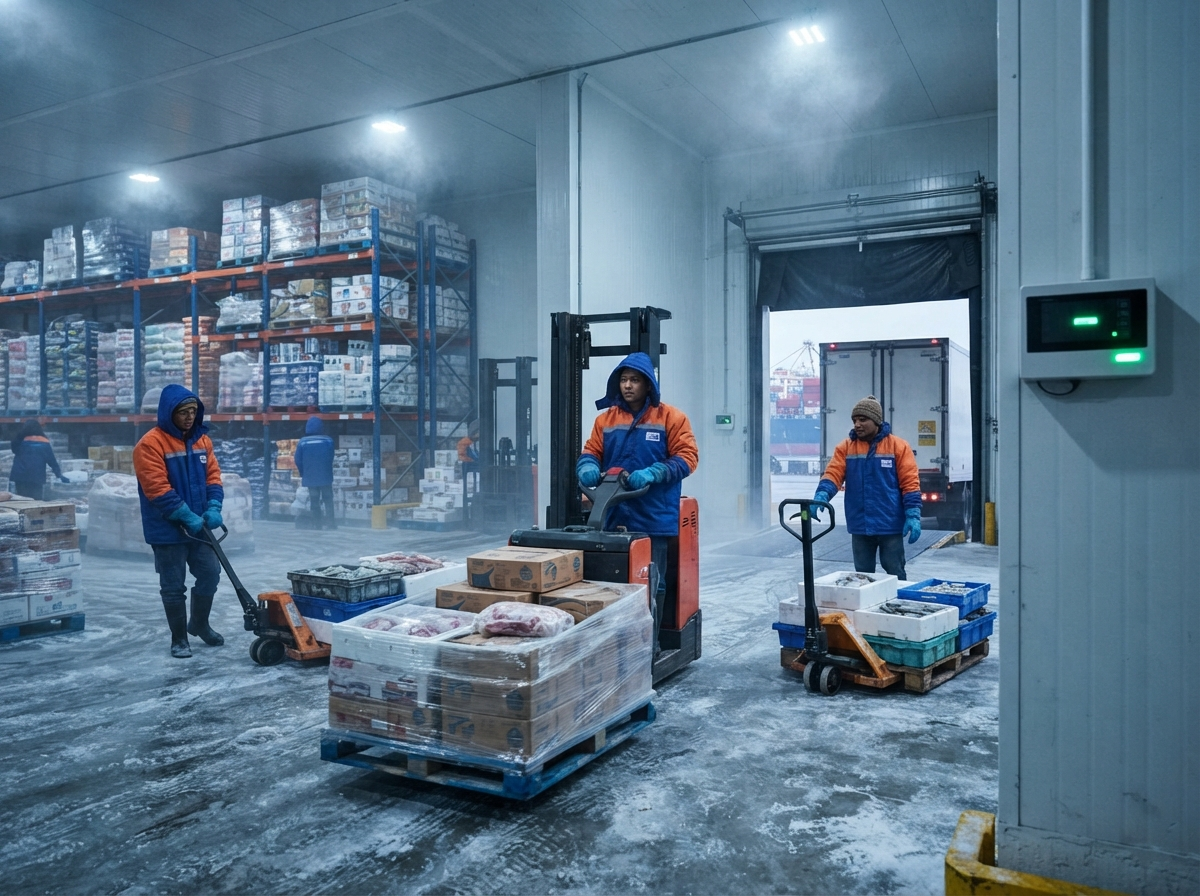
Seafood and meat processors form the second group. Fish, squid, shellfish and seaweed products pass through Cebu on their way to domestic and overseas markets. Lechon producers, meat processors and frozen food makers also supply supermarkets, restaurant chains and caterers across the Visayas. Cold chain discipline, allergen control and traceability are the questions their customers ask first.
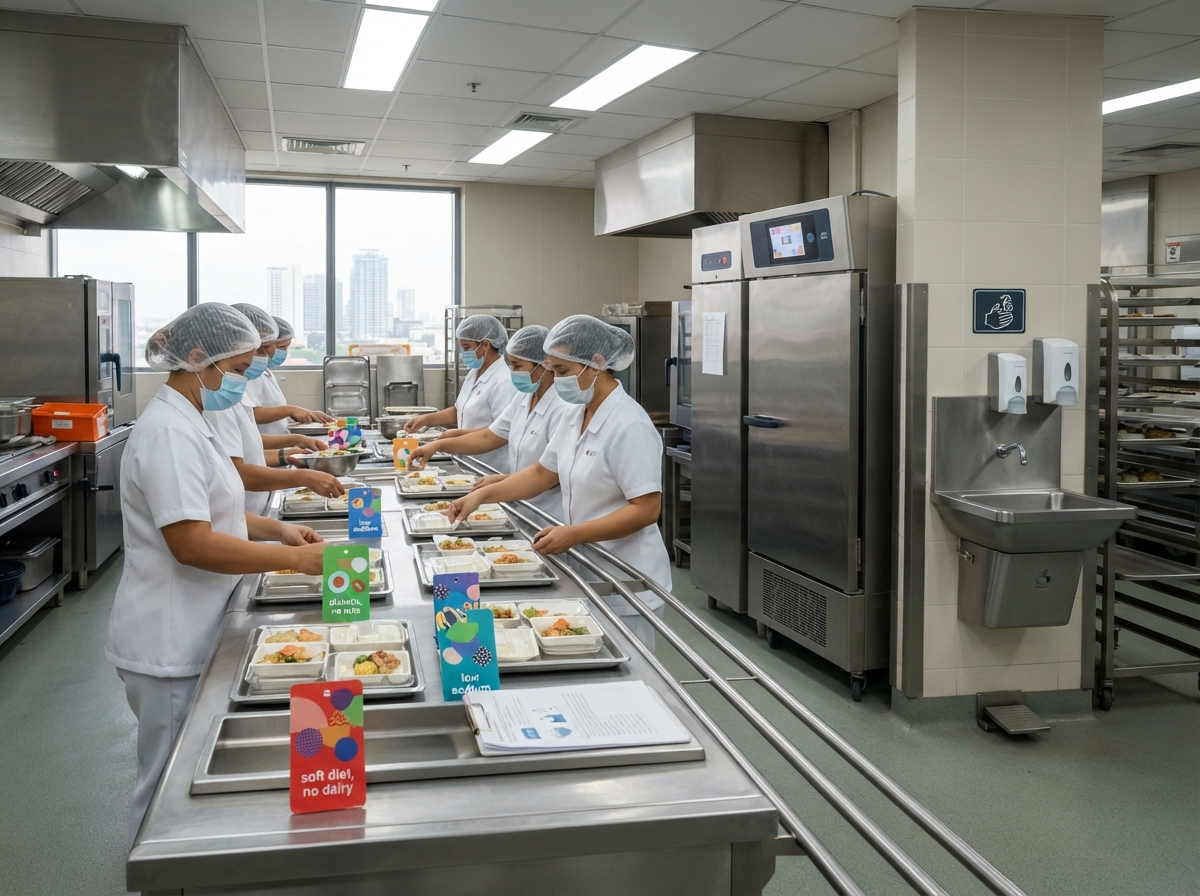
Hospitality and food service operators complete the picture. Beach resorts and hotels on Mactan, airport caterers, hospital kitchens, university canteens and central commissaries for restaurant groups all prepare high volumes of ready-to-eat food. For them, an FSMS protects guests and also reduces the chance of a headline nobody wants.
Packaging converters, cold storage operators, ingredient traders and logistics providers also fall within scope, because ISO 22000 covers the whole chain. Smaller bakeries and delicacy makers sometimes assume the standard is out of reach. In practice, a clear scope and a focused HACCP study keep the effort proportionate for a 15-person bakery as well as a large export plant.
How ISO 22000 Certification Works in Cebu
ISO 22000 is the international standard for food safety management systems, published by the International Organization for Standardization (ISO). It combines the HACCP principles of the Codex Alimentarius with prerequisite programs and a management system structure. That structure is shared with ISO 9001, so the two standards sit comfortably together.
The current edition is ISO 22000:2018, amended in 2024 to add climate considerations when an organization reviews its context. A new edition is under development, but ISO 22000:2018 remains the edition auditors certify against today. Existing certificates stay valid, and we will flag any transition requirements once the revision is published.
One decision shapes every ISO 22000 certification in Cebu project: plain ISO 22000 or FSSC 22000. FSSC 22000 is a scheme recognized by the Global Food Safety Initiative (GFSI). It builds on ISO 22000 and adds sector prerequisite programs from the ISO 22002 series plus extra scheme requirements. FSSC 22000 Version 7 was published on 1 May 2026, and all FSSC 22000 audits must use Version 7 from 1 May 2027.
Many supermarket chains, global brands and export importers insist on a GFSI-recognized scheme. In those cases, FSSC 22000 is usually the right target. If your customers simply ask for an internationally recognized FSMS, ISO 22000 on its own may be enough. We check your buyer requirements before you commit.
Roles stay separate throughout. Univate, as your consultant, helps you build and prepare the system. An independent, accredited certification body audits it and issues the certificate. That separation is what gives the certificate weight with importers and retailers.
Why Cebu Businesses Invest in ISO 22000 Certification
Export access is the main reason. Cebu’s food exporters compete with producers in Thailand, Vietnam and Indonesia for the same shelf space abroad. When a foreign buyer screens several suppliers, a recognized food safety certificate often decides who receives a trial order. ISO 22000 certification in Cebu helps local processors clear that first gate.
Domestic customers are raising the bar too. National supermarket chains, hotel groups and restaurant franchises increasingly audit their suppliers. A certified FSMS answers many of their questions in one document set and reduces repeated customer audits.
Resilience matters as well. Typhoon Odette (Rai) struck Cebu in December 2021, and long power interruptions followed. For a frozen seafood plant or a resort cold room, a power cut is a food safety event. ISO 22000 asks you to plan for those emergencies before they happen.
ISO 22000 and the Philippine Food Safety Act
The Food Safety Act of 2013 (Republic Act 10611) sets the national framework for food safety across the farm-to-table chain. It places primary responsibility for safe food on food business operators. Oversight is shared among regulators by product type. The Food and Drug Administration (FDA) covers processed food and issues the License to Operate. The Bureau of Fisheries and Aquatic Resources (BFAR) covers fishery products, and the National Meat Inspection Service (NMIS) covers meat.
ISO 22000 does not replace any of these obligations. You still need your FDA license, BFAR or NMIS requirements, and any product-specific rules that apply. However, a working FSMS gives you the hazard controls, records and traceability that make regulatory inspections far more straightforward. Many Cebu processors find that inspectors and certification auditors ask for much of the same evidence.
ISO 22000 Requirements: What Your Organization Will Need
The standard does not dictate one way of working. A mango drying plant and a hotel banquet kitchen will meet the same clauses in very different ways. Still, auditors expect certain building blocks to be in place and operating. Every ISO 22000 certification in Cebu that we support is built on these elements:
- A defined FSMS scope covering products, processes, production sites and the stages of the food chain included
- A food safety policy and measurable objectives approved by top management, with a named food safety team leader
- Prerequisite programs (PRPs) for hygiene, cleaning, pest control, water, waste, maintenance, personnel practices and supplier approval
- A hazard analysis for biological, chemical, physical and allergen hazards, with flow diagrams verified on the production floor
- A hazard control plan that sets critical control points (CCPs) and operational PRPs, with critical limits, monitoring and corrections
- Traceability, product withdrawal and recall procedures, tested through mock recalls
- Emergency preparedness and response arrangements for events such as power loss, flooding or water contamination
- Validation of control measures, verification activities, internal audit, management review and corrective action
Records matter as much as procedures. Auditors will walk your lines, watch a CCP being monitored, and trace a finished batch back to its raw materials. They will also talk to operators, not just to the QA manager. We therefore spend real time on the floor, checking that logbooks, temperature records and cleaning sheets reflect what actually happens.
Interactive communication is another area that catches teams out. ISO 22000 expects you to exchange food safety information with suppliers, customers and regulators. For a Cebu exporter, that can mean specifications from a foreign buyer, certificates from a packaging supplier and alerts from a contract cold store. We help you set up simple, auditable channels for each.
Our Process for ISO 22000 Certification in Cebu
We deliver ISO 22000 certification in Cebu in six stages. Each stage ends with a clear output, so your managers can see progress and plan production around the work.
Step 1 – Gap Analysis and Scheme Choice
We visit your site and compare current practices with ISO 22000, and with FSSC 22000 if your buyers need a GFSI scheme. We review existing HACCP plans, sanitation records, supplier files and any customer audit reports. You receive a gap report, a recommended scope and a clear view of which certification route suits your market.
Step 2 – Prerequisite Programs and Food Safety Team
Next, we help you form a cross-functional food safety team from production, QA, maintenance, warehousing and purchasing. Together, we strengthen your prerequisite programs. Typical work covers hygienic zoning, cleaning schedules, pest control contracts, water testing, glass and hard plastic control, and allergen handling.
Step 3 – Hazard Analysis and Hazard Control Plan
We guide your team through product descriptions, intended use, flow diagrams and on-site verification of each step. We then assess hazards and decide which controls become CCPs and which become operational PRPs. The result is a hazard control plan with critical limits, monitoring methods, responsibilities and corrective actions.
Step 4 – Implementation, Training and Traceability
Your team then runs the system in daily production. We support operator training, monitoring records, supplier approval and a mock recall that traces a lot forward to customers and back to raw materials. Where practical, we work with your existing ERP or spreadsheet tools rather than adding new software.
Step 5 – Internal Audit, Verification and Management Review
Before the external audit, we run a full internal audit of the FSMS and review verification results, such as lab tests, calibration and environmental monitoring. We help you close findings and support the first management review. This stage is mandatory and is the best rehearsal for the certification audit.
Step 6 – Certification Audit and Surveillance
An accredited certification body audits you in two stages. Stage 1 checks documentation, PRPs and readiness. Stage 2 tests whether the system works on the floor, across products and shifts. The certificate runs for three years, with annual surveillance audits and recertification in the third year. We can keep supporting you through each cycle.
Typical ISO 22000 Timeline for Cebu Organizations
The table below gives indicative durations for a single-site processor or kitchen with a moderate product range. Actual timing depends on the number of products, lines and sites, and on how mature your current HACCP system is.
| Phase | Key activities | Indicative duration | Main output |
|---|---|---|---|
| Gap analysis and scheme choice | Site visit, document review, buyer requirement check, scope agreement | 1–2 weeks | Gap report, scope and project plan |
| Prerequisite programs | Hygiene, cleaning, pest control, water, maintenance, supplier approval, allergens | 3–6 weeks | Upgraded PRPs with records |
| Hazard analysis and control plan | Flow diagrams, hazard assessment, CCP and OPRP decisions, critical limits | 3–4 weeks | Hazard control plan |
| Implementation and verification | Training, monitoring records, mock recall, validation and verification | 6–10 weeks | Operating FSMS with evidence |
| Internal audit and certification | Internal audit, management review, Stage 1 and Stage 2 audits | 4–8 weeks, including scheduling | ISO 22000:2018 or FSSC 22000 certificate |
Most single-site Cebu food businesses with an existing basic HACCP plan reach certification in four to seven months. Multi-site groups, plants with many product families, or teams starting from very little usually need longer.
ISO 22000 Certification in Cebu: Cost and Timeline
The cost of ISO 22000 certification in Cebu depends on what you produce, how you produce it and what you already have in place. A responsible quote starts with understanding your lines and products, not with a flat number. These four factors drive most of the effort.
Products, Lines and HACCP Studies
Each product group or process type may need its own hazard analysis. A plant running dried fruit, purees and frozen seafood will need several HACCP studies. A single-product bakery may need only one. More studies mean more consulting time and longer audits.
Sites and Production Shifts
Every additional kitchen, warehouse or plant adds implementation and audit work. Night shifts and weekend production also matter, because auditors may need to see controls operating outside office hours.
Facility Condition and PRP Maturity
Some gaps are paperwork. Others are physical, such as drainage, hand-wash stations, pest-proofing or separation between raw and cooked areas. Physical upgrades are a separate cost from consulting. We identify them early so you can budget and schedule them before the audit.
Consulting Fees and Certification Body Fees
Your total cost has two parts. The first is consulting support to design and prepare the FSMS. The second is the certification body’s fee for Stage 1, Stage 2 and the surveillance audits. The certification body sets audit duration using its accreditation rules, mainly based on HACCP studies, headcount and sites. FSSC 22000 audits are usually longer than plain ISO 22000 audits.
Choose a certification body accredited by the Philippine Accreditation Bureau or by another International Accreditation Forum (IAF) member. For FSSC 22000, the body must also be licensed by the FSSC scheme owner. Once we understand your scope, we provide a free consultation and an itemized quote, so each part of the fee is visible.
On timing, the main variable is internal: how quickly your team can update records, fix facility gaps and close findings. Groups with kitchens or warehouses in Metro Manila as well as Cebu can run one coordinated project. See our ISO 22000 certification in Manila page for that side of the work.
Benefits of ISO 22000 Certification in Cebu for Food Businesses
A certified FSMS changes how a food business runs, not just how it sells. Most Cebu organizations see the gains below within the first year.
Access to Export Buyers and Retail Chains
A recognized certificate shortens supplier approval with importers, supermarkets and global brands. If your buyers require a GFSI scheme, ISO 22000 is also the foundation of FSSC 22000, so the work carries straight across.
Fewer Rejections, Recalls and Complaints
Hazard analysis and verified controls catch problems before product leaves the gate. Exporters see fewer border rejections and customer claims. Kitchens see fewer guest complaints and less food waste.
Faster Traceability When Something Goes Wrong
A tested traceability system lets you isolate an affected lot within hours rather than days. That limits the size of any withdrawal and protects the rest of your stock and your reputation.
Stronger Emergency Readiness
Typhoons, earthquakes and power interruptions are part of planning in the Visayas. ISO 22000 requires documented responses for events that threaten food safety, from cold chain failure to water contamination. Your team knows what to hold, what to test and what to discard.
One System for Food Safety, Quality and Safety at Work
ISO 22000 shares its high-level structure with ISO 9001 and ISO 45001, so documents, audits and management reviews can be combined. Plants with heavy equipment and hot processes often add worker safety to the same system.
Why Cebu Companies Choose Univate for ISO 22000
Univate has consulted more than 300 enterprises across cybersecurity and compliance, and our team has logged over 1,000 audit man-days in critical infrastructure and regulated industries. Our consultants include specialists with decades of experience in quality, risk and governance. Our Philippine office is in Makati, and we combine remote reviews with on-site visits to Cebu at the milestones that matter.
We write your FSMS around your actual products, equipment and staff. A procedure that a line leader cannot follow at 2 a.m. does not help anyone, so we test documents on the floor before the auditor does. We are your consultant, not your certifier. That keeps the audit independent and lets us focus entirely on readiness.
Food businesses often need more than one system. We can align your FSMS with environmental controls for wastewater and packaging under ISO 14001, and with business continuity planning under ISO 22301.
ISO 22000 Certification Services Across Cebu
We support ISO 22000 certification in Cebu for food businesses throughout Metro Cebu and the wider Central Visayas. Workshops, document reviews and progress calls run remotely. Site visits are scheduled for the gap analysis, hazard analysis verification, internal audit and audit preparation.
In Mandaue, we work with fruit processors, snack makers, ingredient distributors and packaging suppliers around A.S. Fortuna and the North Reclamation Area. On Mactan Island, we support export food manufacturers in the Mactan Economic Zone, airport caterers near Mactan-Cebu International Airport and resort kitchens across Lapu-Lapu. In Cebu City, we support commissaries, bakeries, cold storage operators and port-linked seafood traders from downtown and Colon to the South Road Properties.
We also work with food businesses in Talisay, Consolacion, Liloan and Minglanilla, and with producers in Bohol and Negros Oriental who ship through Cebu. Wherever you operate, you receive the same structured method and the same focus on audit readiness.
Planning ISO 22000 certification in Cebu?
Tell us about your scope, your sites and your timeline, and we will come back with a clear plan.
Client Testimonials
It was really a great partnership with their team.
Sultan
I had the pleasure and opportunity of working with Univate Solutions on a couple of High Maturity (ML5) CMMI appraisals and found them to be one of the best.
Amulya P
Team Univate holds many professional approaches.
Ashish Sherlekar
ISO 22000 Certification in Cebu: Frequently Asked Questions
How long does ISO 22000 certification in Cebu usually take?
A single-site processor or kitchen with a basic HACCP plan typically reaches the certification audit in four to seven months. Plants with many product lines, several sites or major facility upgrades usually take longer.
Should we choose ISO 22000 or FSSC 22000?
Ask your buyers first. If they require a GFSI-recognized scheme, choose FSSC 22000, which adds sector prerequisite programs and scheme rules on top of ISO 22000. If they only want an internationally recognized FSMS, ISO 22000 alone may meet their needs.
Is our existing HACCP plan enough?
A HACCP plan is a strong start but not the whole system. ISO 22000 adds management commitment, prerequisite programs, operational PRPs, traceability, emergency preparedness, internal audit and management review. We build on what you already have instead of starting again.
Does ISO 22000 replace our FDA License to Operate?
No. Your FDA license and any BFAR or NMIS requirements remain separate legal obligations under the Food Safety Act of 2013. ISO 22000 is voluntary, but it helps you meet those obligations with better controls and records.
Can hotels and restaurants get ISO 22000 certified?
Yes. The standard covers food service as well as manufacturing. Resort kitchens, banquet operations, hospital food service and central commissaries can all certify, using prerequisite programs suited to catering.
Will FSSC 22000 Version 7 affect our project?
If you choose FSSC 22000, yes. Version 7 was published on 1 May 2026, and all FSSC 22000 audits must follow it from 1 May 2027. New projects should prepare against Version 7 from the start.
How long is an ISO 22000 certificate valid?
The certificate is valid for three years. The certification body carries out surveillance audits in the first and second years and a recertification audit before expiry.
Can we certify one plant first and add others later?
Yes. Many groups certify their main Cebu plant first, then extend the scope to other kitchens or warehouses during a later surveillance or recertification audit.
Who issues the ISO 22000 certificate?
An accredited certification body issues it after the Stage 2 audit, not a consultant. Look for accreditation by the Philippine Accreditation Bureau or another IAF member so overseas buyers recognize the certificate.
Start Your ISO 22000 Certification Project in Cebu
Whether an importer has asked for a certificate or you want firmer control over food safety, the first step is a short conversation. Tell us about your products, sites and buyers. We will recommend a scope and scheme, then send an itemized proposal for ISO 22000 certification in Cebu.
Book a Free Consultation Call +63 963 451 6528Prefer to talk first? Call our Philippines team on +63 963 451 6528, or send your requirements through the contact form.
Email: info@univateglobal.com