





ISO 14001 Certification in Cebu
Metro Cebu makes cement, smelts and ships copper concentrate, builds bulk carriers and runs some of the country’s busiest resorts on a narrow coastline. Every one of those activities touches air, water, soil or the sea. ISO 14001 certification in Cebu gives your organization an independently audited way to show that those impacts are understood, controlled and reduced over time.
Univate Global helps Cebu businesses build an Environmental Management System (EMS) that meets ISO 14001:2026, the newly published edition of the standard. We take you from the first gap analysis through environmental aspects, compliance obligations, operational controls and internal audit. Then we prepare your team for the external certification audit and support you through the surveillance cycle.
Your operation might be an electronics plant inside the Mactan Economic Zone, a furniture workshop in Mandaue or a beachfront resort in Lapu-Lapu. It might also be a shipyard in Balamban or a quarry-fed plant in Naga. Our consultants work from your actual processes, permits and waste streams rather than a generic manual. The aim is a system your people can run long after the certificate arrives.
Free ConsultationContact Us
Our Clients





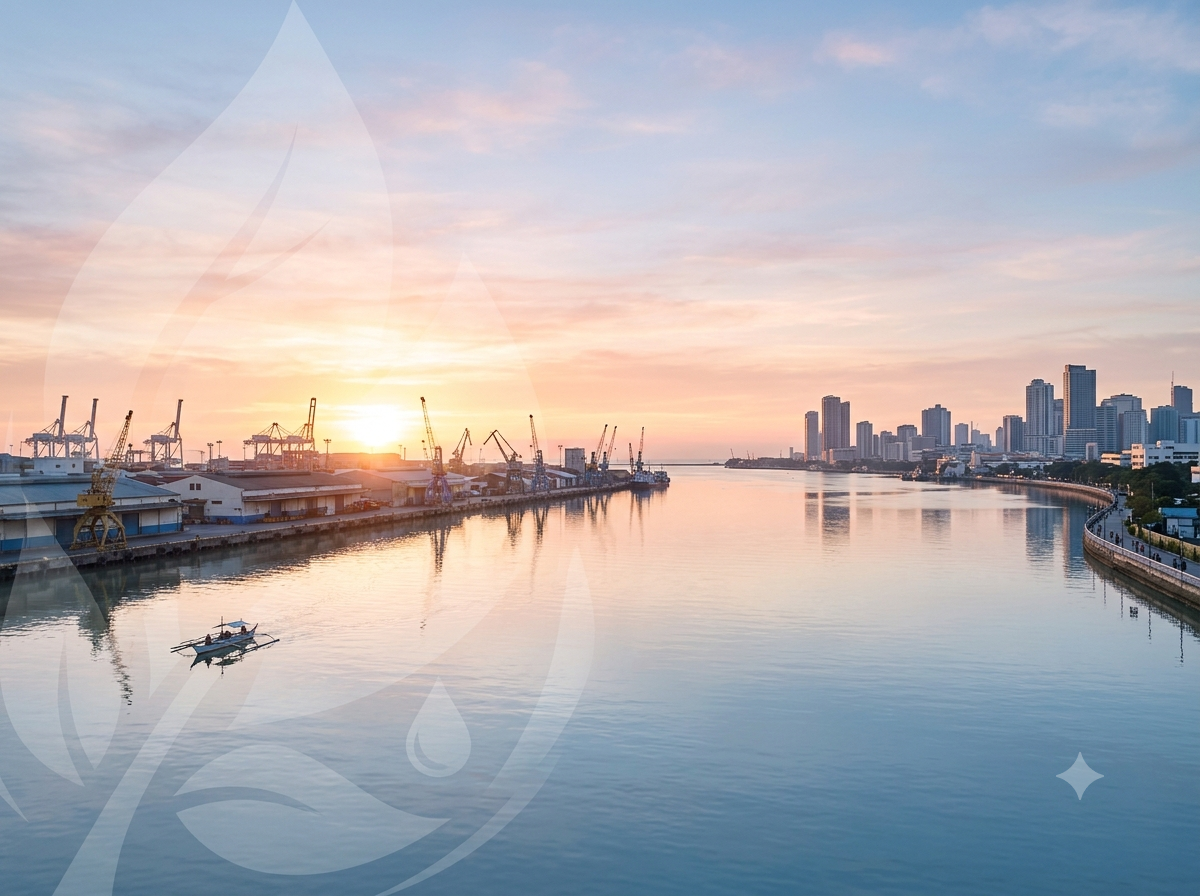
ISO 14001 Certification in Cebu for Export Manufacturers, Heavy Industry and Coastal Tourism
ISO 14001 suits any organization that wants better control of its environmental footprint, whatever its size. In Metro Cebu and the wider province, the requests we see come mostly from three groups.
The first group is export manufacturing. Electronics, semiconductor and component makers in the Mactan Economic Zone answer to multinational customers with their own supplier environmental codes. Those customers often ask for an accredited EMS certificate during onboarding and supplier audits. Food exporters and garment makers in Mandaue face similar questions from overseas retailers.
The second group is heavy and resource-based industry. Shipbuilding and ship repair yards in Balamban handle blasting grit, paint residues, used oil and wastewater beside the sea. Cement producers in Naga manage dust, kiln emissions, quarry rehabilitation and heavy truck traffic. Copper mining operations in Toledo deal with tailings, acid drainage risk and land rehabilitation commitments. For these operations, ISO 14001 adds structure to environmental programs that already carry significant regulatory weight.
The third group is tourism, property and infrastructure. Hotels and resorts on Mactan Island depend on clean water, healthy reefs and attractive beaches. Yet they also consume large volumes of water and generate food and plastic waste. Developers and contractors working on towers, reclamation projects and roads manage runoff, dust, noise and construction debris. Port operators, shipping lines and logistics firms around Cebu’s busy domestic port handle fuel, ballast and cargo residues.
Furniture and handicraft makers in Mandaue deserve their own mention. Wood dust, solvent-based finishes, rattan offcuts and packaging waste are everyday issues, and many export buyers in Europe and the US now ask about them. A focused EMS helps a family-owned workshop answer those questions with evidence instead of promises.
How ISO 14001 Certification Works in Cebu
ISO 14001 is the international standard for environmental management systems, published by the International Organization for Standardization. It does not set emission limits or performance targets of its own. Instead, it requires you to understand how your activities affect the environment, meet your legal obligations, set objectives and keep improving through a documented management system.
The current edition, ISO 14001:2026, was published this year. The changes are moderate rather than dramatic. The standard now looks at a broader set of environmental conditions, including pollution, biodiversity and natural resources, not only climate. It also clarifies how to handle risks and opportunities, strengthens the life cycle perspective and expects planned management of changes. Controls now extend explicitly to externally provided processes, products and services. Organizations holding ISO 14001:2015 certificates must transition to the new edition by May 2029. For new projects, we recommend implementing the 2026 edition from the start, so you avoid a second round of updates.
ISO 14001 uses the same high-level clause structure as ISO 9001 and ISO 45001, so it combines easily with quality and safety systems.
Roles stay separate throughout. Univate acts as your consultant: we help design, implement and test the EMS. An accredited certification body, completely independent of us, carries out the audit and issues the certificate. That independence is what gives the certificate value with buyers, lenders and regulators.
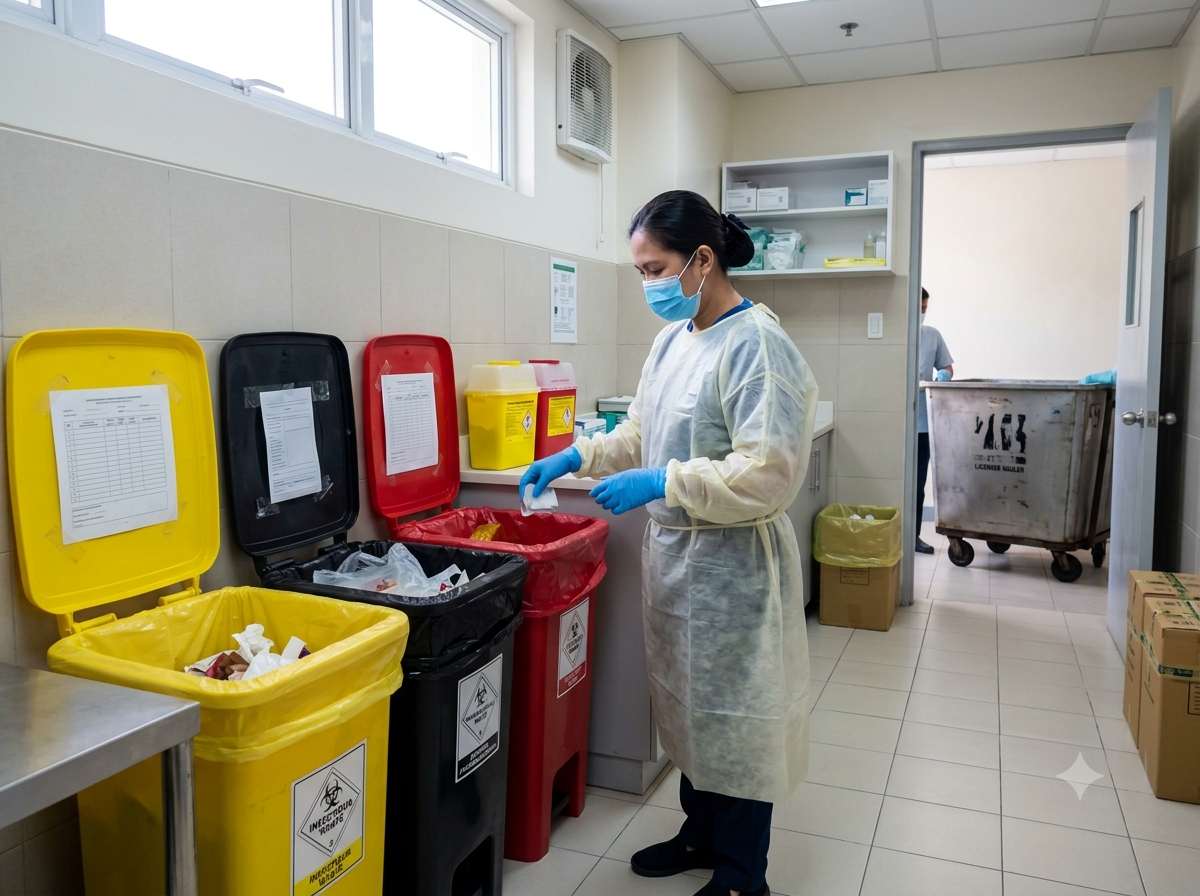
Why Cebu Businesses Invest in ISO 14001 Certification
Environmental exposure in Cebu is unusually concentrated. Industry, tourism and fishing communities share the same coastline, the same rivers and the same groundwater. When a resort, shipyard or plant gets environmental management wrong, neighbors notice quickly and regulators follow.
Supply chains are the other major driver. Multinational buyers of electronics, furniture and processed food increasingly report on their suppliers’ environmental performance. A Cebu exporter that can show an accredited EMS answers many of those supplier questionnaires at once. Developers, banks and investors financing new projects in the province are also asking sharper questions about environmental risk.
Tourism adds a reputational angle. International travelers and corporate event planners pay attention to how resorts handle wastewater, plastics and marine protection. For many hospitality groups, ISO 14001 certification in Cebu turns sustainability messaging into something an auditor has actually checked.
ISO 14001 and DENR Environmental Requirements
ISO 14001 works alongside Philippine environmental law; it never replaces it. Most significant projects in Cebu operate under the Philippine Environmental Impact Statement System (Presidential Decree 1586) and hold a DENR Environmental Compliance Certificate (ECC) with specific conditions. Operations also answer to the Clean Air Act (RA 8749), the Clean Water Act (RA 9275) and the Ecological Solid Waste Management Act (RA 9003). Plants handling chemicals and hazardous waste fall under RA 6969. Larger brand owners have plastic packaging duties under the Extended Producer Responsibility Act of 2022 (RA 11898). The DENR Environmental Management Bureau enforces these laws, and covered establishments must appoint an accredited Pollution Control Officer. ISO 14001 helps you track every one of these obligations in a compliance register, assign owners and evaluate compliance on a set schedule.
ISO 14001 Requirements: What Your Organization Will Need
The standard leaves you free to decide how to meet each clause. A 40-room boutique resort and a copper mine will build very different systems. Still, certification auditors expect to find certain elements in place and producing records:
- A defined EMS scope that reflects your context, environmental conditions and the needs of interested parties
- An environmental policy and measurable objectives approved and supported by top management
- A register of environmental aspects and impacts, with significance criteria and a life cycle perspective
- A register of compliance obligations, including ECC conditions, permits and DENR reporting duties
- Operational controls for waste, wastewater, emissions, chemicals and relevant outsourced or contracted processes
- Emergency preparedness and response arrangements, such as spill response, tested through drills
- Monitoring, measurement and periodic evaluation of compliance, plus internal audit, management review and corrective action
Paperwork alone will not satisfy an auditor. During the site audit, they will walk your waste storage area, look at the wastewater treatment plant and speak with operators. They will also compare your monitoring data with the limits in your permits. That is why we spend as much time on evidence and field practice as on writing procedures.
Leadership involvement is essential, too. Top management must set direction, provide resources and review environmental performance. Projects move fastest when a senior sponsor is named early and your Pollution Control Officer works closely with operations, maintenance and purchasing.
Our Process for ISO 14001 Certification in Cebu
We deliver ISO 14001 certification in Cebu projects in six stages. Each stage produces clear outputs, so your management team always knows what has been done and what is next.
Step 1 – Gap Analysis and Site Walkthrough
We review your existing environmental documents, ECC conditions, permits and monitoring reports against the standard. Then we walk the site, from loading bays and chemical stores to drainage outfalls and kitchens. The gap report shows what you already have, what is missing and how large the effort will be. We also agree on a scope, such as one plant, one resort or a group of Cebu sites.
Step 2 – Environmental Aspects and Compliance Obligations
With your team, we identify the environmental aspects of each activity, product and service. Examples include generator emissions, sludge from a treatment plant, spent solvents and single-use plastics. We rate each aspect for significance and build your compliance register. The register links every significant aspect to the law, permit or customer requirement it touches.
Step 3 – Controls, Documentation and Training
Next, we draft the procedures and work instructions you actually need, and nothing more. We help put controls in place for segregation of waste, chemical handling, spill containment and contractor supervision. Staff awareness sessions cover the significant aspects that each role influences, so housekeepers, welders and machine operators know what is expected.
Step 4 – Internal Audit, Drills and Management Review
Before the external audit, we carry out a full internal audit of the EMS. We help you run an emergency drill, such as a chemical or fuel spill exercise, and record the lessons learned. Your leadership team then holds its first management review, using real monitoring and compliance data.
Step 5 – Certification Audit (Stage 1 and Stage 2)
An accredited certification body audits your EMS in two stages. Stage 1 checks documentation, the aspects and obligations registers and overall readiness. Stage 2 tests whether controls work in practice through site tours, interviews and record sampling. We prepare your team for both stages and help you respond to any findings.
Step 6 – Surveillance, Transition and Recertification
Your certificate is valid for three years, with surveillance audits in the first and second years and recertification in the third. If you already hold a 2015 certificate, we plan your move to ISO 14001:2026 well ahead of the May 2029 deadline. We can also support ongoing internal audits and compliance evaluations.
Typical ISO 14001 Timeline for Cebu Organizations
The table below shows indicative durations for a single-site organization of small to medium size. Mines, shipyards and multi-site groups usually need longer.
| Phase | Key activities | Indicative duration | Main output |
|---|---|---|---|
| Gap analysis and scoping | Document and permit review, site walkthrough, scope agreement | 1–2 weeks | Gap report and project plan |
| Aspects and obligations | Aspect identification, significance rating, compliance register | 2–3 weeks | Aspects register and compliance register |
| Implementation | Procedures, operational controls, objectives, training, records | 6–12 weeks | Working EMS with monitoring records |
| Internal audit and review | Internal audit, emergency drill, corrective actions, management review | 2–3 weeks | Audit report, drill record, closed findings |
| Certification audit | Stage 1 and Stage 2 audits by an accredited certification body | 2–6 weeks, including scheduling | ISO 14001:2026 certificate |
Most single-site organizations reach the certification audit in three to six months. Operations with complex permits, several waste streams or sites spread across the province typically plan for six to nine months.
ISO 14001 Certification in Cebu: Cost and Timeline
No honest consultant can quote an EMS project without first understanding the site. A quiet back office and a cement plant have very little in common. These factors shape the cost of ISO 14001 certification in Cebu.
Headcount and Scope
The number of people in scope affects both consulting effort and the audit days a certification body must allocate. Including contractors who work permanently on site, such as security or janitorial teams, also matters.
Environmental Complexity of Your Operations
Complexity often matters more than size. A shipyard with blasting, painting and dry-dock wastewater has far more significant aspects than a design studio. Hazardous waste, air emission sources and treatment plants all add work for implementation and audit.
Number of Sites and Locations
A resort group with properties on Mactan and in Bohol, or a manufacturer with plants in Mandaue and Lapu-Lapu, needs consistent controls at every location. Each site adds implementation effort and audit time.
Consulting Fees and Certification Body Fees
Your investment has two separate parts. Consulting fees cover building and preparing the EMS. The certification body’s fee covers Stage 1, Stage 2 and later surveillance audits, with audit days set by the body according to headcount and environmental complexity.
We recommend a certification body accredited by the Philippine Accreditation Bureau or another International Accreditation Forum (IAF) member. That is the certificate overseas buyers and lenders will recognize. Once we understand your scope, we send a clear, itemized quote for the consulting work.
On timing, the main variable is usually internal: how quickly your team gathers monitoring data, closes permit gaps and reviews drafts. Organizations with operations in both Visayas and Luzon can align this project with our ISO 14001 certification in Manila service under one EMS.
Benefits of ISO 14001 Certification for Cebu Businesses
A well-run EMS pays back in ways that go beyond the certificate. Most Cebu organizations see commercial, financial and regulatory gains within the first year.
Easier Entry Into Global Supply Chains
Multinational customers in electronics, furniture and food often screen suppliers on environmental performance. ISO 14001 answers many of those screening questions at once. It helps exporters in the Mactan Economic Zone and Mandaue pass supplier audits with less back-and-forth.
Lower Resource and Waste Costs
Tracking aspects closely tends to expose waste. Leaking compressed air lines, idle generators, excess packaging and poorly segregated scrap all cost money. Resorts often find savings in water and energy, while plants find value in recovered materials.
Fewer Surprises With Regulators and Neighbors
A live compliance register and scheduled compliance evaluations reduce the chance of missed reports, expired permits or exceeded discharge limits. Clear complaint handling also helps you respond quickly when a neighboring community raises a concern about dust, odor or runoff.
Stronger Preparation for Typhoons and Spills
Typhoon Odette in December 2021 showed how quickly storms can damage facilities and release fuel, chemicals or debris. ISO 14001 requires planned emergency responses, tested through drills. Combined with ISO 22301 business continuity, that preparation protects both your site and the environment around it.
One Integrated Management System
Because ISO 14001 shares its structure with ISO 9001 and ISO 45001, many Cebu companies run quality, safety and environment as one system. That means shared document control, joint internal audits and combined certification audits.
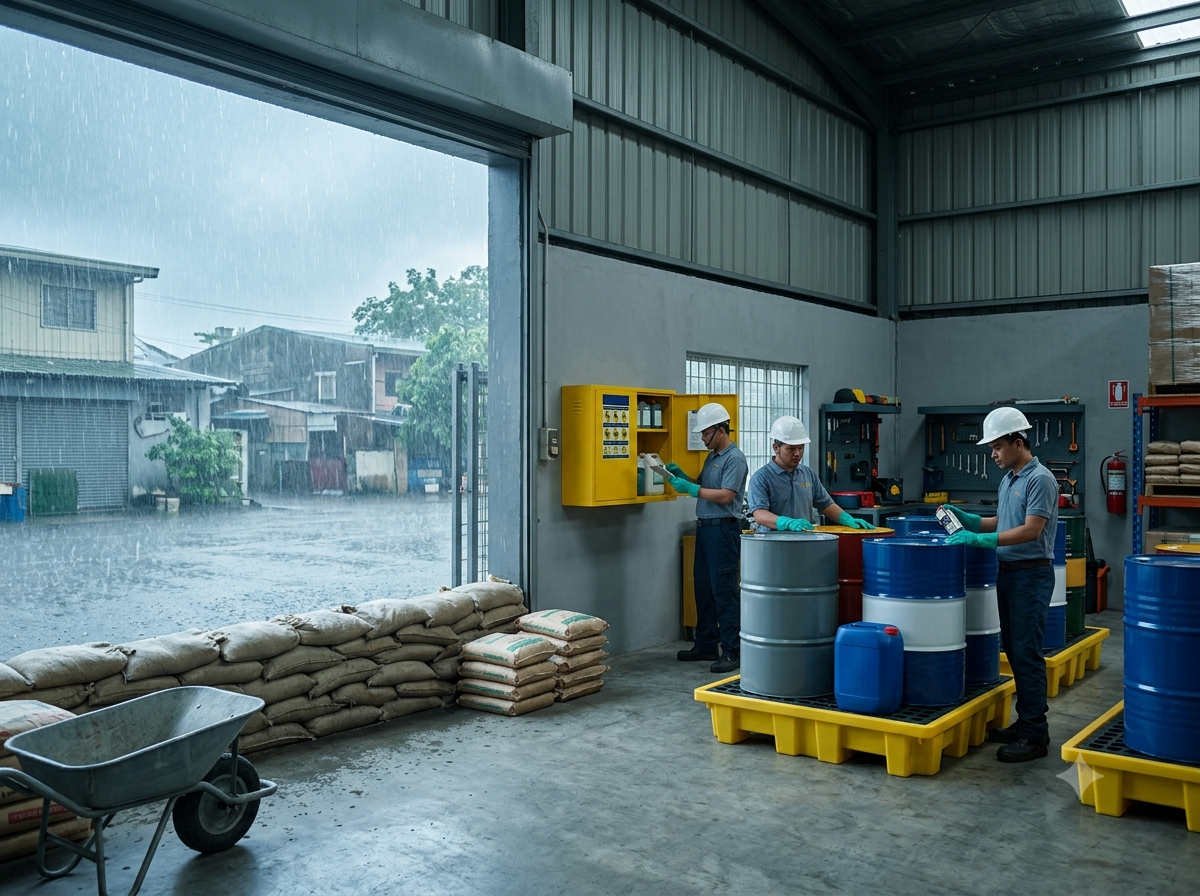
Why Cebu Companies Choose Univate for ISO 14001
Univate has consulted more than 300 enterprises across cybersecurity and compliance, and our team has completed over 1,000 audit man-days in critical infrastructure and regulated industries. Our consultants include specialists with decades of experience in quality, security, risk and governance. We understand both Philippine regulatory expectations and the supplier requirements that overseas buyers bring to Cebu. That balance is what ISO 14001 certification in Cebu needs to deliver.
We design each EMS around your permits and processes. Your compliance register reflects your actual ECC conditions, not a sample list. Your procedures fit your shift patterns and your Pollution Control Officer’s workload. We also stay in our lane as consultants. We never certify our own clients, so the audit stays independent and your certificate keeps its credibility.
Many Cebu manufacturers, shipyards and contractors pair environmental and safety management. We often deliver this alongside ISO 45001 certification in Cebu, so one internal team runs both systems with shared records.
ISO 14001 Certification Services Across Cebu
We support ISO 14001 certification in Cebu for organizations across Metro Cebu and the wider province through hybrid delivery. Workshops, document reviews and progress meetings mostly run remotely. Our consultants visit on site at key milestones, such as the initial walkthrough, the internal audit and the final readiness check.
In Lapu-Lapu and across Mactan Island, we work with electronics and export manufacturers in the Mactan Economic Zone. We also support logistics firms near Mactan-Cebu International Airport and beachfront hotels and resorts. In Mandaue, we support furniture and handicraft makers, food processors and distributors along A.S. Fortuna and the North Reclamation Area. In Cebu City, we work with developers, contractors, hospitals and universities around Cebu Business Park, the South Road Properties and the downtown port district.
Beyond the metro, we support heavy industry and resource operations in Naga, Toledo and Balamban, as well as businesses in Talisay, Minglanilla, Consolacion and Liloan. We also work with organizations in Bohol and Negros Oriental. Wherever you operate, the method and the standard of audit readiness stay the same.
Planning ISO 14001 certification in Cebu?
Tell us about your scope, your sites and your timeline, and we will come back with a clear plan.
Client Testimonials
It was really a great partnership with their team.
Sultan
I had the pleasure and opportunity of working with Univate Solutions on a couple of High Maturity (ML5) CMMI appraisals and found them to be one of the best.
Amulya P
Team Univate holds many professional approaches.
Ashish Sherlekar
ISO 14001 Certification in Cebu: Frequently Asked Questions
How long does ISO 14001 certification in Cebu usually take?
A single-site organization of small or medium size usually needs three to six months to reach the certification audit. Sites with complex permits, hazardous waste or several locations often need six to nine months. Gathering monitoring data and closing permit gaps tends to set the pace.
Does an ISO 14001 certificate replace our ECC or DENR permits?
No. ISO 14001 is voluntary and does not replace an Environmental Compliance Certificate, discharge permit or any other DENR requirement. It gives you a system to meet those obligations consistently and prove it to an auditor.
Which edition should a new project use, 2015 or 2026?
New projects should implement ISO 14001:2026 where your chosen certification body offers it. Existing 2015 certificates remain usable during the transition, but they must move to the 2026 edition by May 2029.
Is ISO 14001 useful for a hotel or resort on Mactan?
Yes. Resorts have significant aspects in water use, wastewater, food waste, plastics, energy and coastal protection. An EMS gives structure to those controls and supports sustainability claims with audited evidence.
Who issues the ISO 14001 certificate?
An accredited certification body issues it after a successful Stage 2 audit. Univate prepares you for the audit but does not issue certificates. Choose a body accredited by the Philippine Accreditation Bureau or another IAF member.
Can a small furniture workshop in Mandaue get certified?
Yes. The standard applies to any organization size. A small workshop usually has a simpler scope, fewer aspects and a shorter audit, so the effort stays proportionate.
How does ISO 14001 relate to our Pollution Control Officer?
Your Pollution Control Officer is usually a central member of the EMS team. ISO 14001 supports that role with clear responsibilities, a compliance register and regular management attention, so environmental compliance does not rest on one person alone.
Can food processors combine ISO 14001 with food safety certification?
Yes. Food processors in Mandaue and Mactan often run ISO 14001 alongside ISO 22000 or FSSC 22000, sharing internal audits and document control.
What happens if the auditor raises a nonconformity?
Minor nonconformities are common and do not stop certification once a corrective action plan is accepted. A major nonconformity, such as an unaddressed permit breach, must be corrected and verified before the certificate is issued. Our internal audit is designed to find these issues first.
Start Your ISO 14001 Certification Project in Cebu
Perhaps a buyer has requested your certificate, an ECC review is coming up, or you simply want firmer control of your environmental risks. The first step is a short conversation about your sites, permits and goals. Our consultants will review where you stand and recommend a sensible scope. Then we send a clear, itemized proposal for ISO 14001 certification in Cebu.
Book a Free Consultation Call +63 963 451 6528Prefer to talk first? Call our Philippines team on +63 963 451 6528, or send us your requirements through the contact form.
Email: info@univateglobal.com