





Cloud Security Assessment Services in India
Overview of Cloud Security Assessment
A cloud security assessment is a detailed check of how safe our cloud systems are.
We go over who can access data, where it is stored, and how it flows. Finding weak places before attackers do is the aim.
Most businesses today use cloud platforms. These include apps, storage, and servers. While the cloud offers speed and scale, it also brings new risks.
We can see our level of security clearly with an assessment. We discover what works and what needs to be fixed.
Importance of Cloud Security in India
Cloud usage in India is growing fast. Startups, enterprises, and even small firms rely on cloud tools.
As usage grows, threats also increase. Data breaches, ransomware, and account hacks are common risks.
We must protect customer data and business systems. A single breach can causedamages and undermine trust.
Security is no longer a choice. Growth and stability are fundamentally dependent on it.
Contact Us
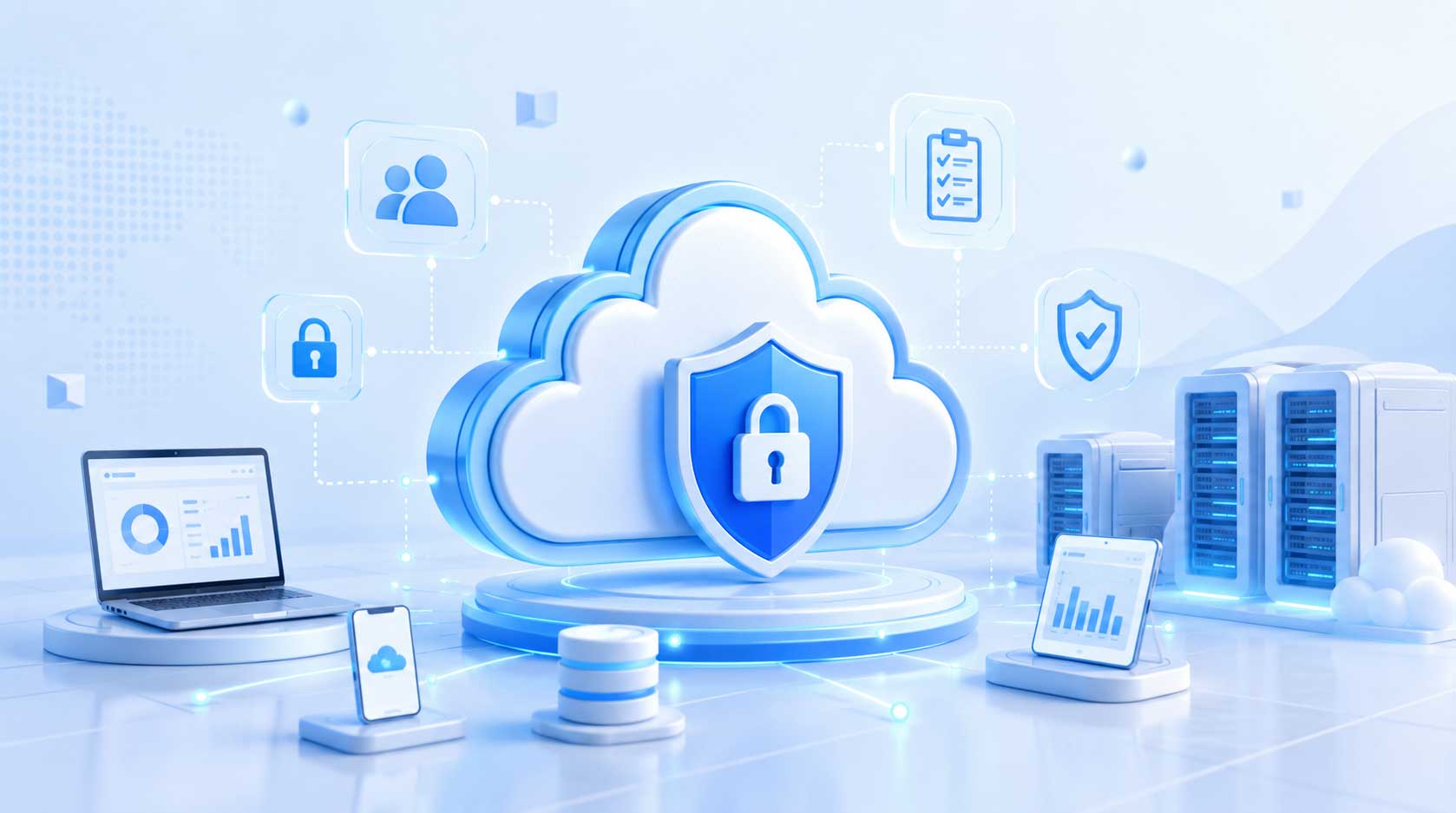
Who Needs a Cloud Security Assessment
Any business using cloud services can benefit from an assessment.If we store data, run apps, or manage users in the cloud, we need to check security regularly.
Who Needs a Cloud Security Assessment?
Any business using cloud services can benefit from an assessment.
If we store data, run apps, or manage users in the cloud, we need to check security regularly.
Below are some key groups that should not ignore this step.
SaaS and PaaS Providers
- If we build or host software in the cloud, we handle user data daily.
- Customers expect safe platforms. A small gap can affect many users at once.
- Regular checks help us maintain trust and meet security expectations.
E-Commerce and Retail
- Online stores manage payment details and customer profiles.
- Hackers often target such platforms. Even a short downtime can affect sales.
- By checking security, we protect both revenue and user trust.
FinTech and HealthTech
- These sectors deal with sensitive data. Financial records and health data must stay secure.
- Strict rules apply in these industries. A breach can lead to heavy penalties.
- Security assessments help us stay compliant and reduce risks.
IT Managed Service Providers (MSPs)
- MSPs direct other companies' systems. This means they hold access to many environments.
- A weak system can have an impact on several clients.
- Assessments help us keep all client systems safe and secure.
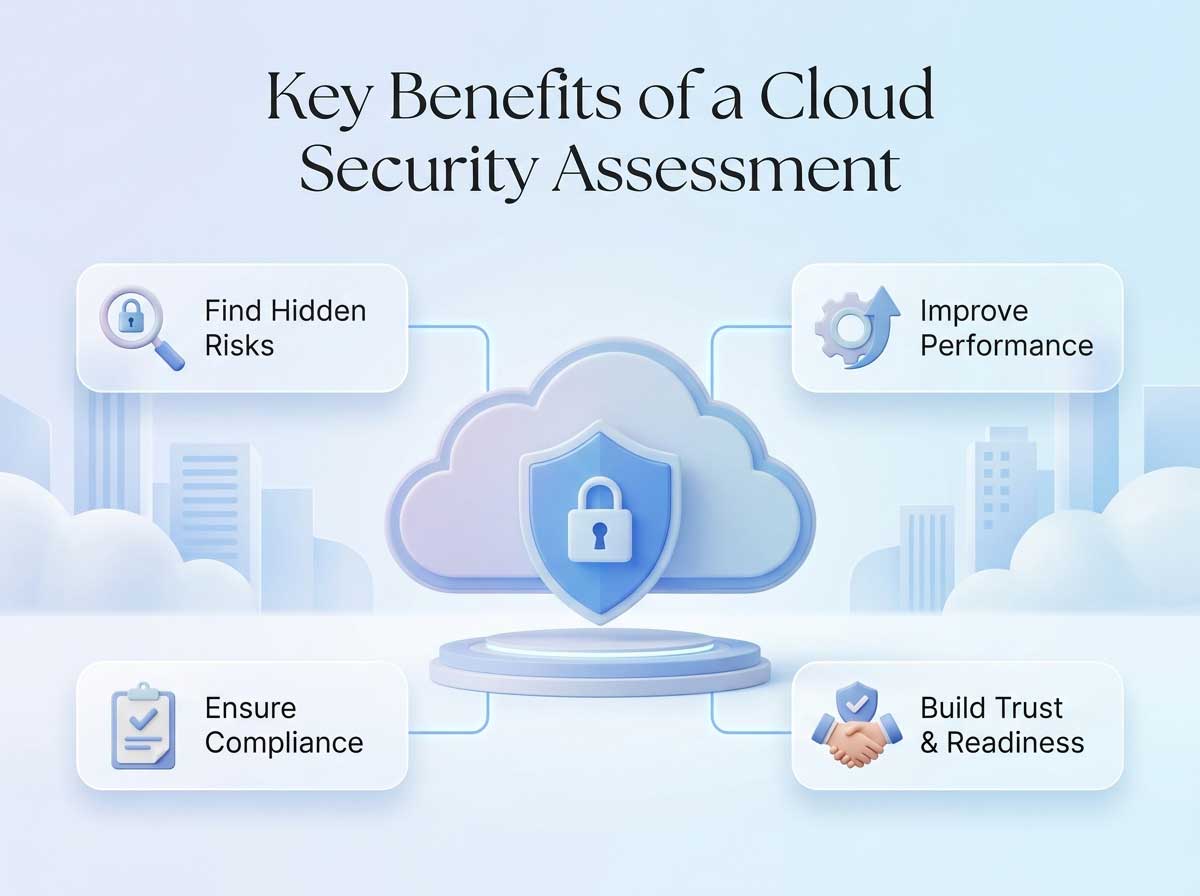
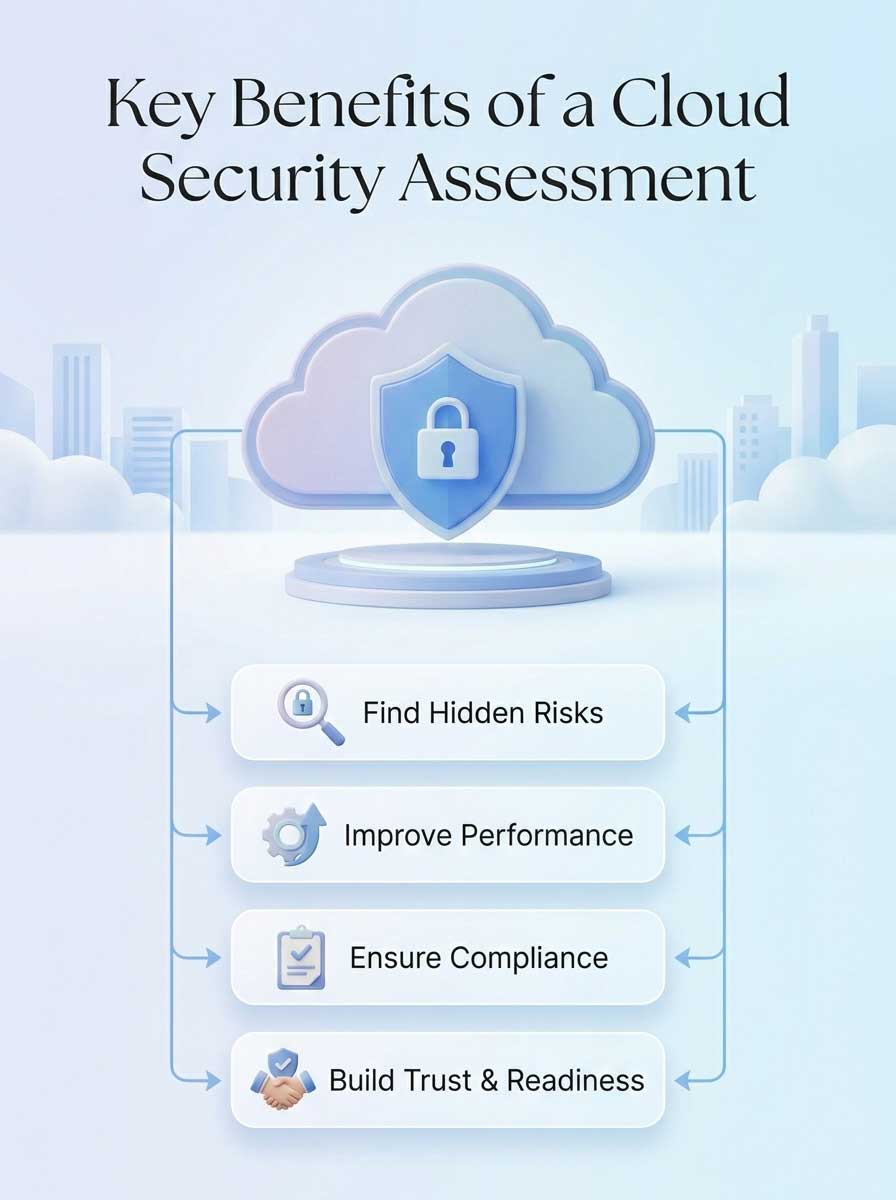
Key Benefits of a Cloud Security Assessment
- We can clearly see the usefulness of a security assessment.
- First, it helps us find hidden risks. Many issues stay unnoticed without proper checks.
- Second, it improves system performance. Secure systems often run more smoothly.
- It also encourages adherence to rules and guidelines.
- In short, it helps us stay safe, trusted, and prepared.
Core Components Evaluated During the Assessment
A cloud assessment looks at many areas. Each part plays a role in overall security.We review access, networks, data, and monitoring systems.
Identity and Access Management (IAM)
- IAM controls who can access what.
- We check if users have only the permissions they need. Risks may arise from excessive access.
- We also examine multi-factor authentication and password regulations.
- Strong IAM reduces the chance of unauthorized access.
Data Protection & Encryption
- Both in transit and at rest, data must remain secure.
- We check if encryption is used correctly.
- We also review how data is stored and backed up.
- This guarantees that data cannot be misused even if it is accessed.
Serverless & Container Security
- Modern apps often use serverless functions and containers.
- We check how these are configured and deployed.
- Misconfigurations can expose services.
- Secure setups ensure stable and safe operations.
Network & Perimeter Security
- This covers how traffic flows in and out of our systems.
- We check firewalls, gateways, and network rules.
- Open or weak settings can expose systems to attacks.
- Proper network security acts as the first line of defense.
Logging and Monitoring
- Logs show what is happening in the system.
- We check if logs are captured and reviewed regularly.
- Tools for monitoring aid in identifying odd activity.
- This enables us to react swiftly to dangers.
The Cloud Security Assessment Process
The process follows a clear and step-by-step approach. Each stage helps us understand and improve our security posture.
Scoping & Discovery
- We begin by understanding our environment.
- This includes identifying cloud services, users, and data flows.
- A well-defined scope enables us to concentrate on what really important.
Automated Scanning (CSPM)
- We use tools to scan the system automatically.
- These tools detect common misconfigurations and risks.
- It gives us a quick overview of security gaps.
Manual Architecture Review
- Experts review the system design in detail.
- They check if the setup follows best practices.
- Manual review helps find deeper issues that tools may miss.
Penetration Testing (Optional but Recommended)
- In this step, we simulate real attacks.
- This demonstrates how robust our defenses are.
- It aids in our comprehension of how a hacker can take advantage of flaws.
Reporting & Remediation
- After the assessment, we get a detailed report.
- It describes the threats and how to prevent them.
- We also get guidance on improving security over time.
Deliverables of the Assessment
We get distinct results at the end of the procedure. These help us act.
Executive Summary
- This gives a simple overview of the findings.
- It highlights key risks and overall security status.
- Even non-technical teams can understand it easily.
Actionable Remediation Roadmap
- This provides step-by-step solutions.
- It tells us what to fix first and why.
- A clear plan helps us move faster.
Technical Vulnerability Report
- This report lists all identified issues.
- Each risk is explained with details and impact.
- It helps technical teams fix problems efficiently.
Compliance Mapping
- This shows how our system aligns with standards.
- It aids in our audit and certification preparation.
- Compliance becomes easier with this mapping.
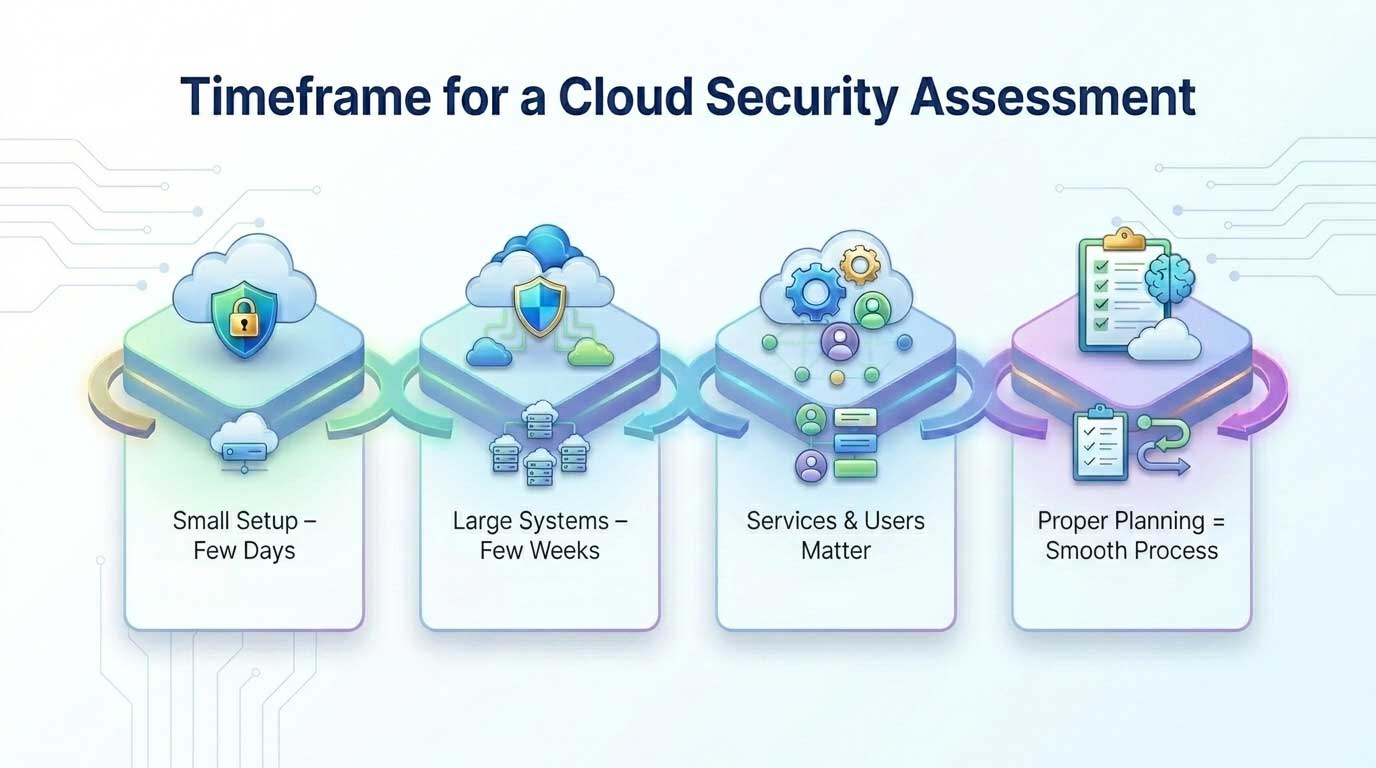
Timeframe for a Cloud Security Assessment
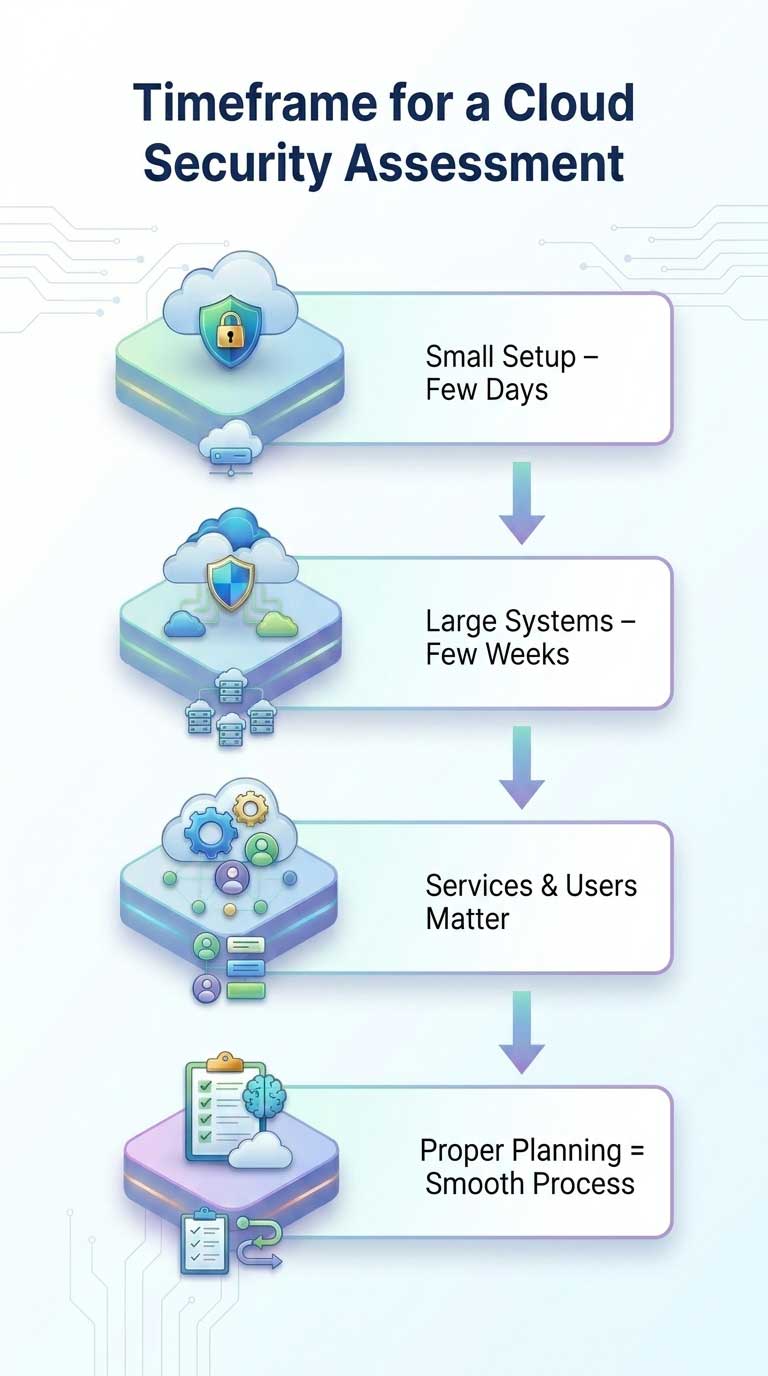
- The system’s complexity and size determine how long it takes.
- Small setups may take a few days. Larger systems may need a few weeks.
- Factors like number of services and users also affect time.
- With proper planning, the process stays smooth and efficient.
Common Challenges in Cloud Security
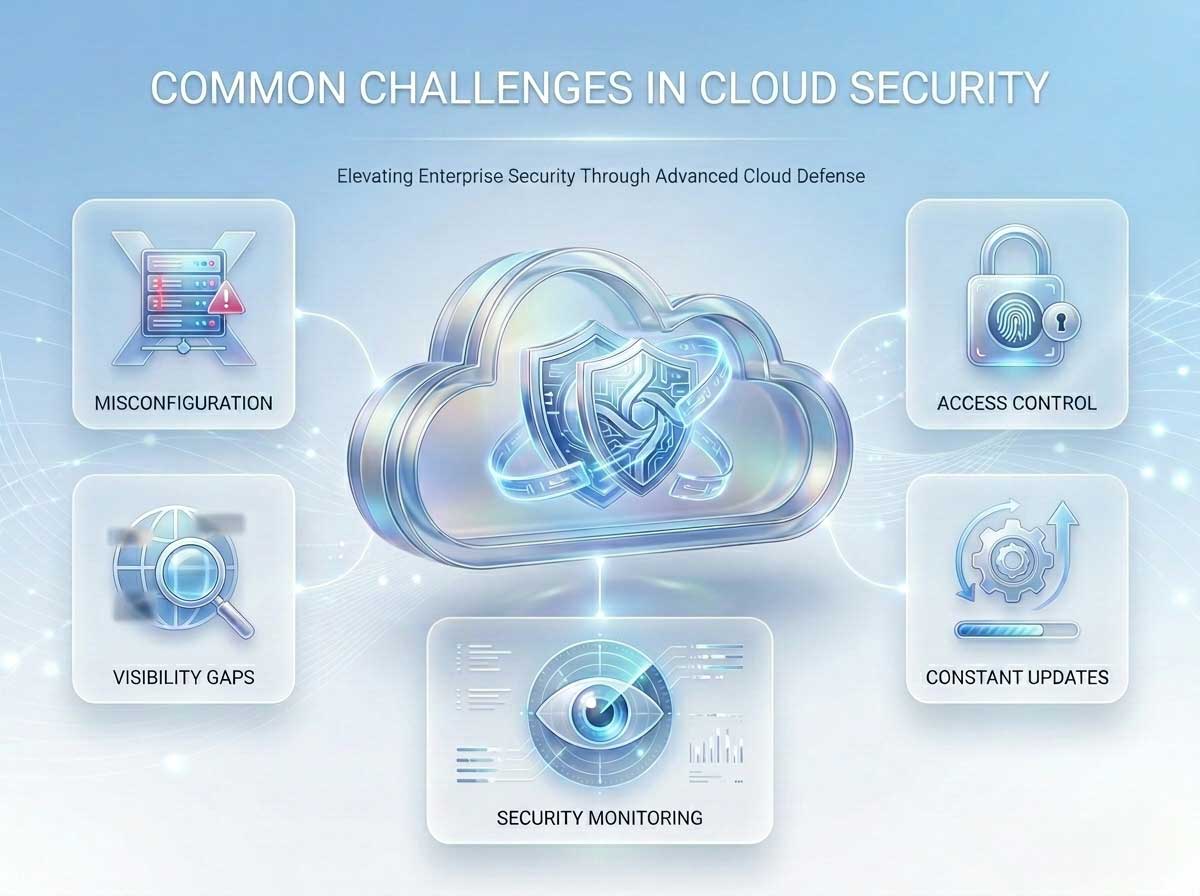
- Cloud security comes with its own challenges.
- One issue is misconfiguration. Small errors can create big risks.
- Another challenge is lack of visibility. We may not see all active resources.
- Access control is also tricky. Too many permissions can lead to misuse.
- Keeping up with updates is another concern. Cloud systems change often.
- We must stay alert and proactive to handle these challenges.
Assessment Cost in India
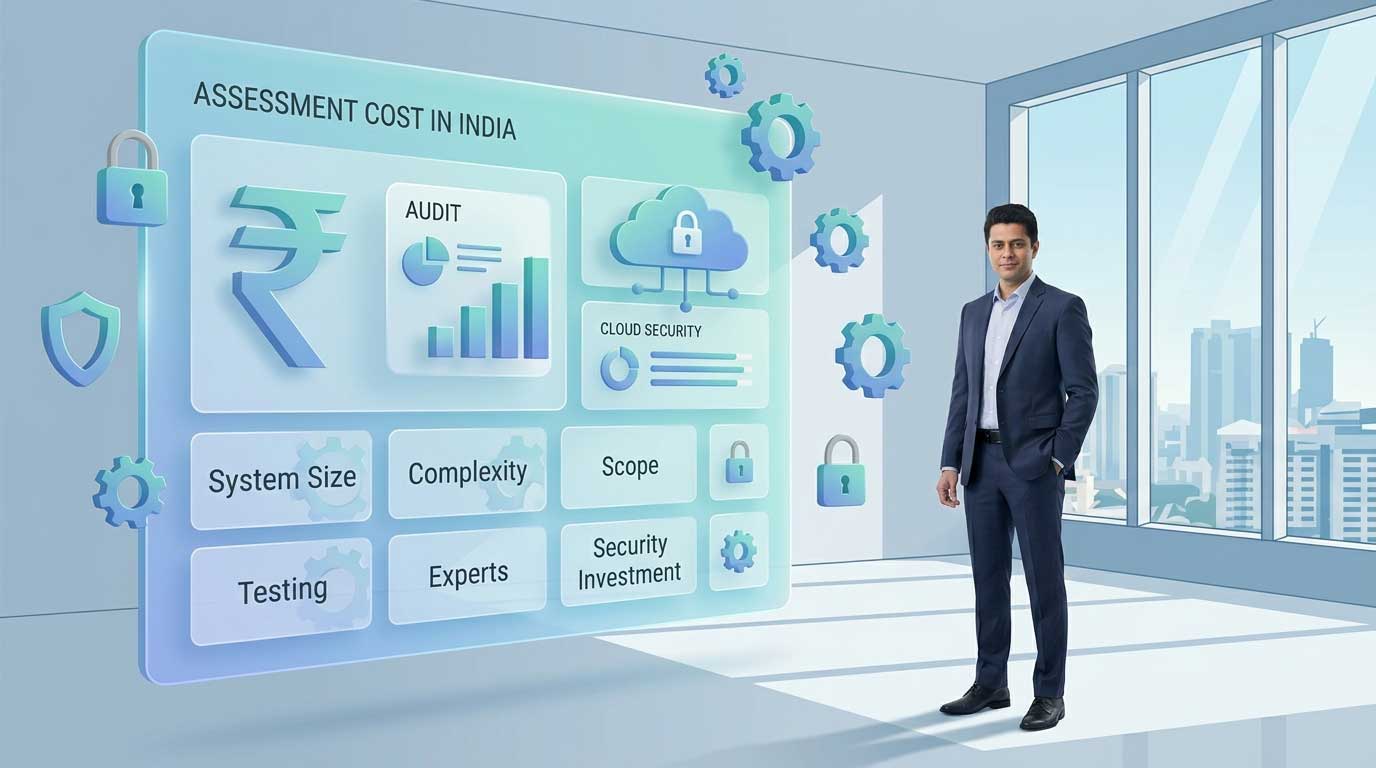
- The cost of assessment varies.
- It depends on system size, complexity, and scope.
- Basic assessments cost less, while detailed reviews cost more.
- Other factors include tools, testing type, and expert involvement.
- This should be viewed as an investment in security.
Why Choose Univate.in for Cloud Security Assessments
- Univate.in offers reliable and practical support.
- We get expert guidance tailored to our needs..
- Their team focuses on clear solutions, not complex jargon.
- They help us identify risks, fix issues, and improve systems.
- With the right partner, we can secure our cloud with confidence.