





DIFC Data Protection Law (DPL) Compliance Services in Vietnam
Overview of DIFC Data Protection Law (DPL)
The DIFC Data Protection Law (DPL) at the Dubai International Financial Center protects private data. It applies to companies that handle data linked to DIFC. Univate supports Vietnamese organizations with training, consulting, and full compliance services.
What is DIFC Data Protection Law (DPL)?
The DIFC DPL is a rule that talks about how to gather, use, and store personal information. It’s mostly about privacy, safety, and being responsible. There are strict rules that organizations must follow to keep info safe.
Background of DIFC Data Protection Law No. 5 of 2020
The data security rules were updated by DIFC Law No. 5 of 2020. It aligns with global standards like GDPR. It strengthens data privacy and introduces stricter compliance requirements.
Contact Us
Why DIFC DPL Compliance Matters for Companies in Vietnam
DIFC DPL compliance is important for Vietnamese companies working with DIFC clients. It helps avoid legal risks and improves trust. It also supports global business expansion.
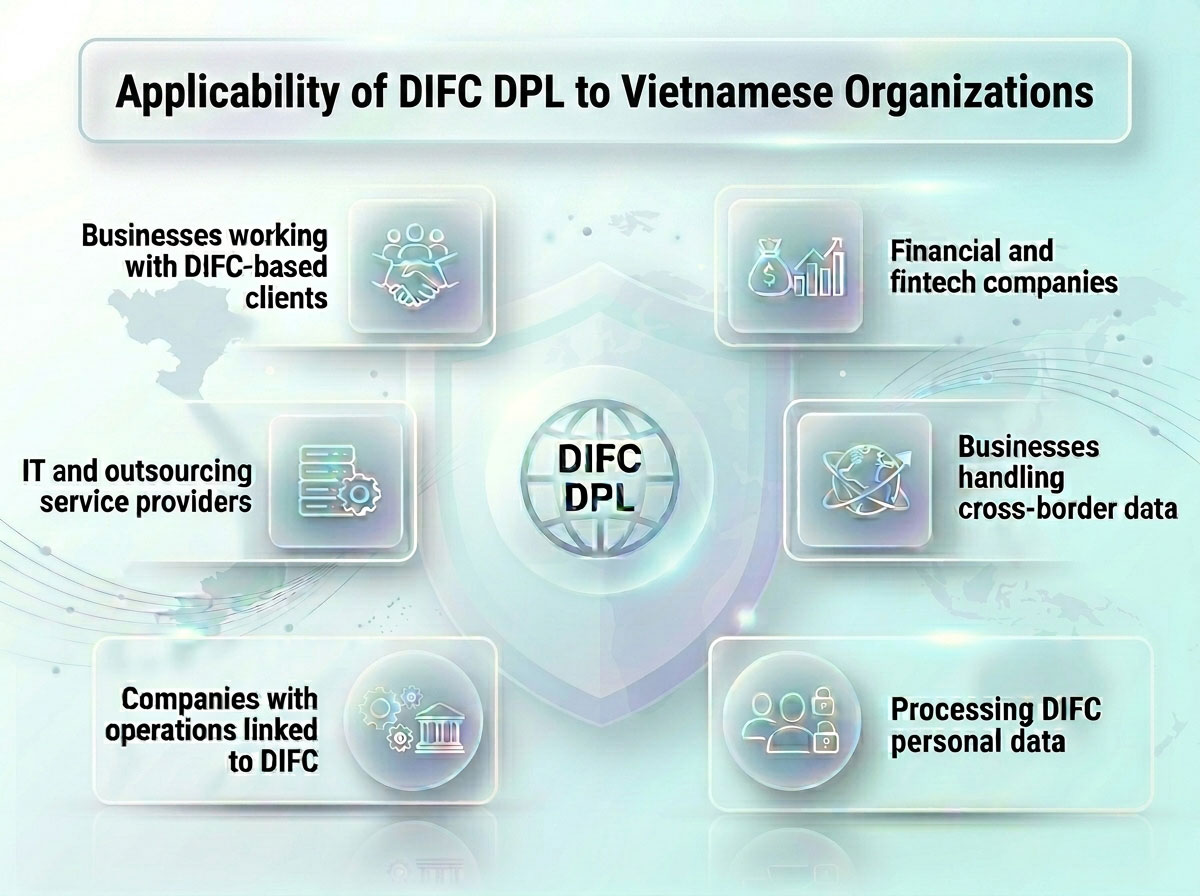
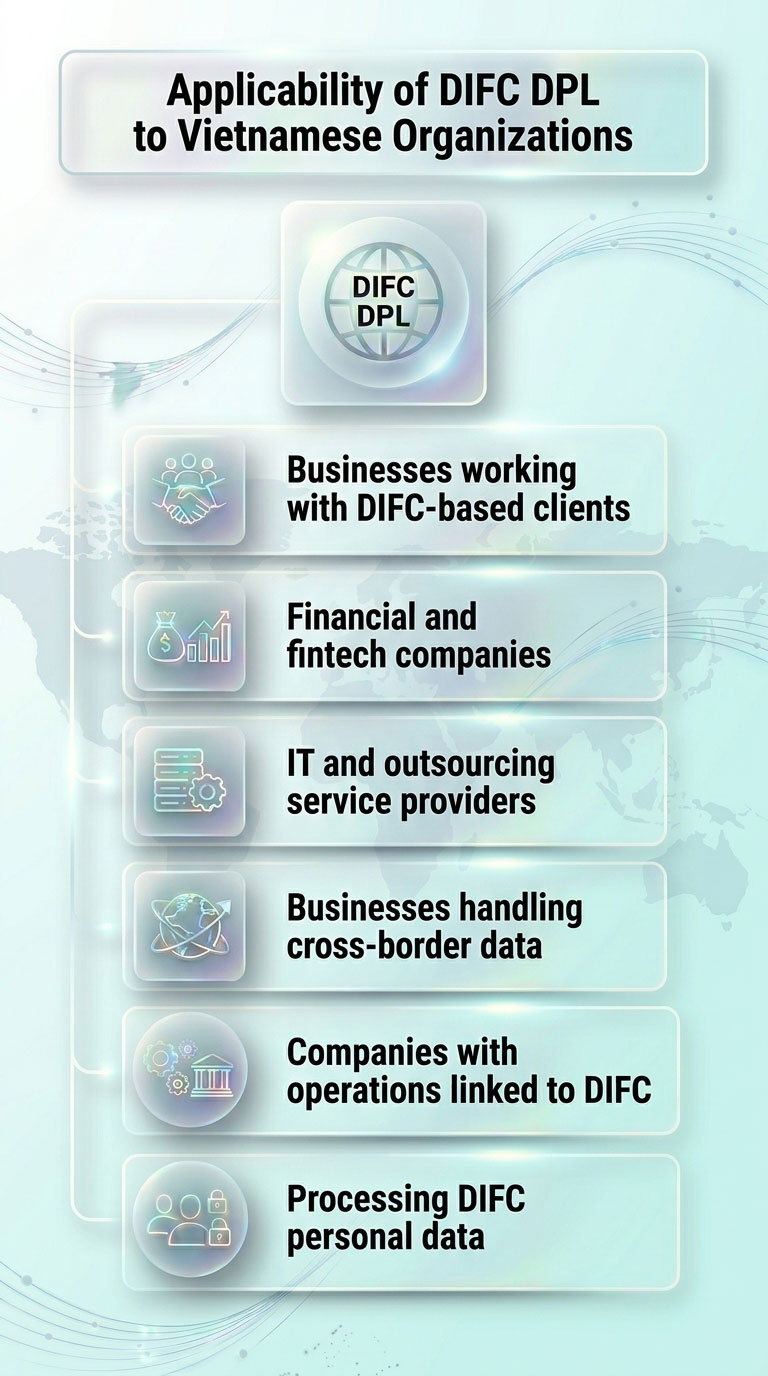
Applicability of DIFC DPL to Vietnamese Organizations
DIFC DPL applies to Vietnamese organizations that deal with DIFC-related data or business operations, such as:
- Companies working with DIFC-based clients
- IT and outsourcing service providers
- Financial and fintech companies
- Businesses handling cross-border data
- Organizations processing personal data of DIFC individuals
- Companies with operations linked to DIFC
These organizations must comply with DIFC rules to ensure data protection.
Key Principles of DIFC Data Protection Law
DIFC DPL is based on key principles that guide how personal data should be handled, including:
Lawful and transparent processing
Accuracy of data
Purpose limitation
Storage limitation
Data minimization
Security and confidentiality
Following these principles ensures responsible data handling.
Rights of Data Subjects under DIFC DPL
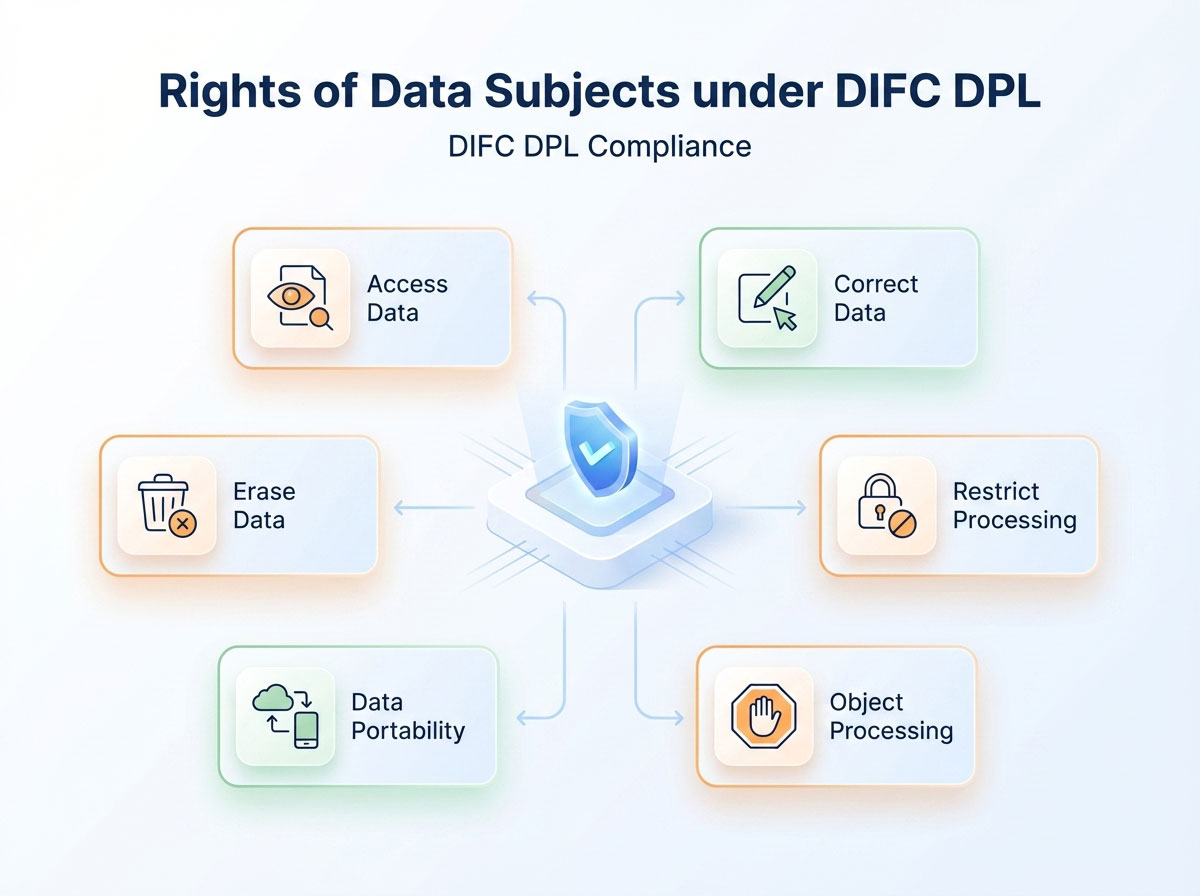
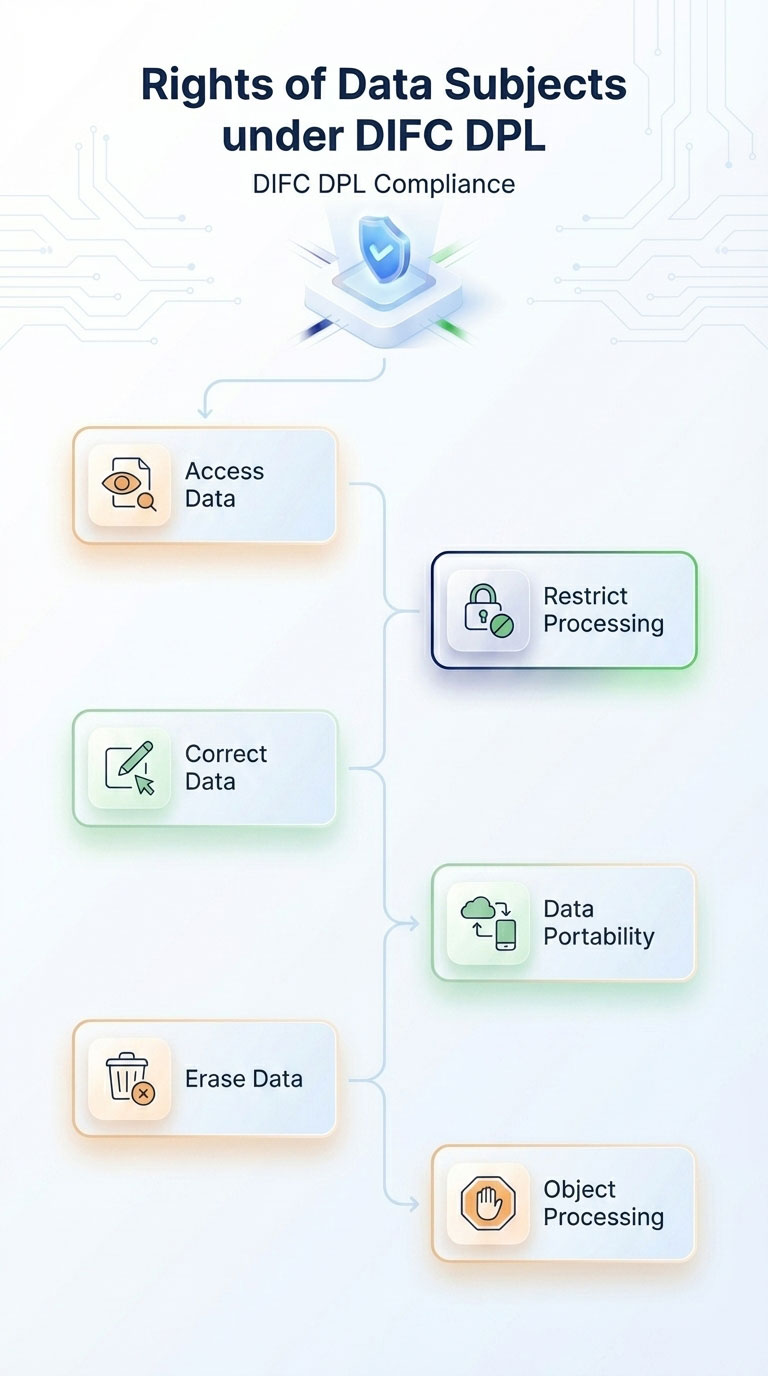
DIFC DPL gives people power over their personal data and makes sure that everything is clear, such as:
- Right to access data
- Right to correct data
- Right to erase data
- Right to restrict processing
- Right to data portability
- Right to object to processing
People have these rights to help protect their privacy.
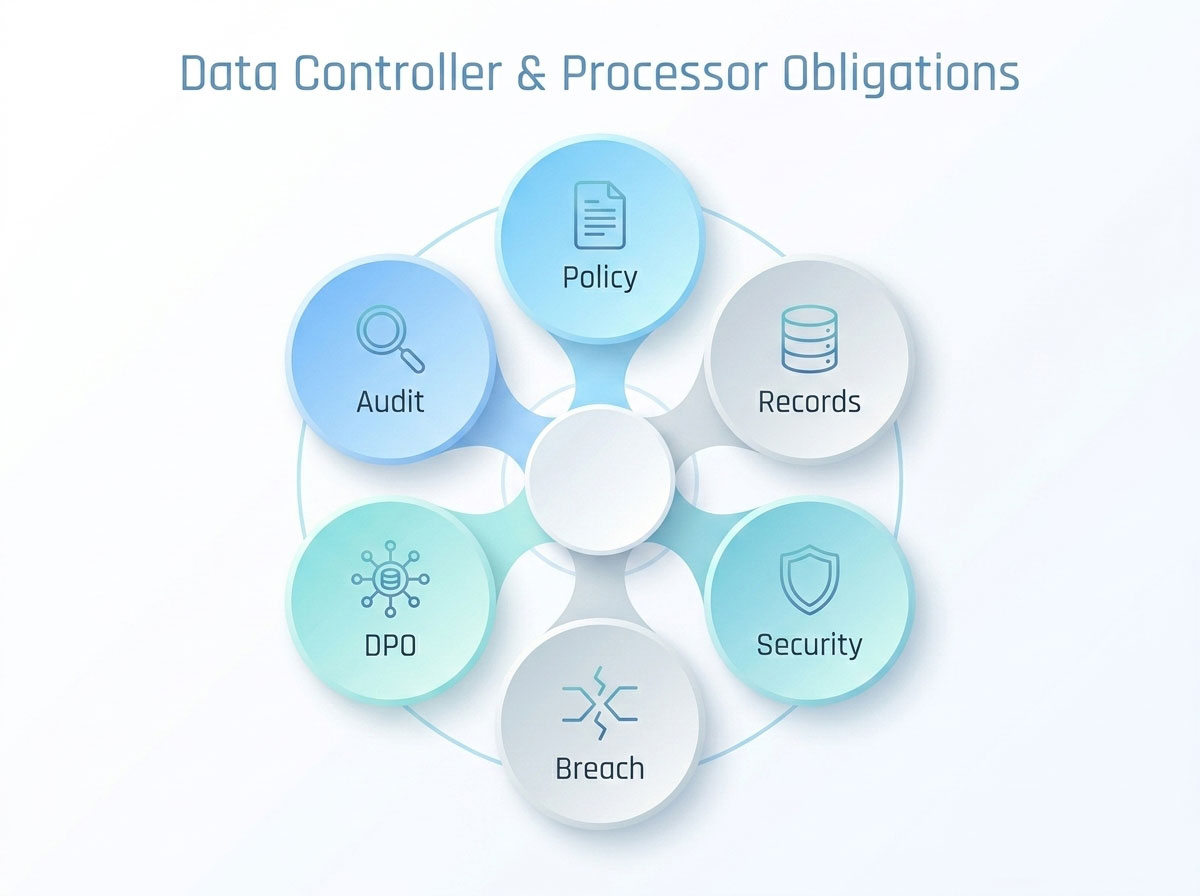
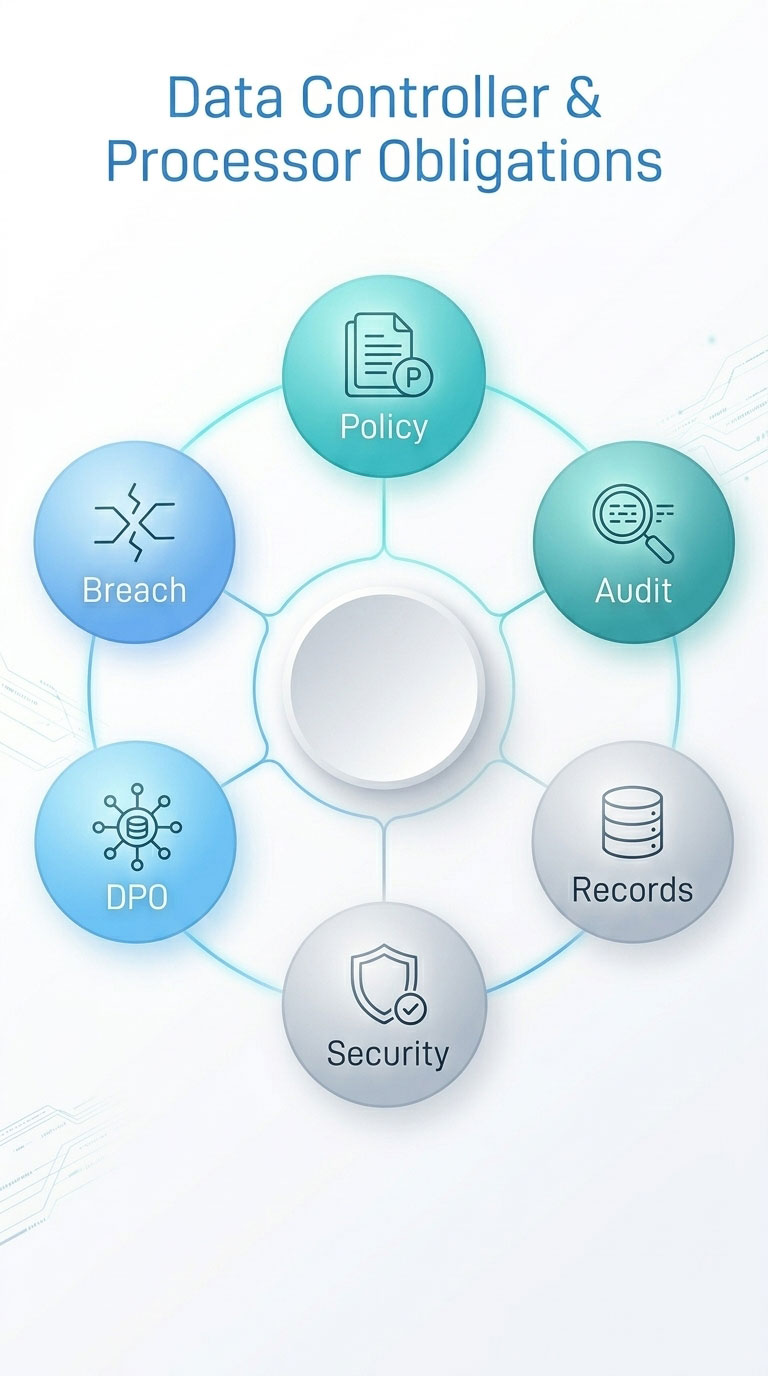
Obligations of Data Controllers and Data Processors
Organizations must follow strict obligations to ensure data protection and compliance, including:
- Implementing data protection policies
- Ensuring data security measures
- Maintaining processing records
- Reporting data breaches
- Appointing a Data Protection Officer (if required)
- Conducting regular audits
Meeting these obligations ensures proper governance.
Role of the Data Protection Officer (DPO)
A Data Protection Officer (DPO) makes sure that the company meets the rules set by the DIFC DPL. They make sure rules are followed and deal with data protection problems. They are also a way for the police to get in touch with people.

Data Processing and Consent Requirements
Organizations must process data lawfully and with clear consent. People need to know what is done with their information. Proper consent ensures transparency and compliance.
Cross-Border Data Transfer Rules under DIFC DPL
DIFC DPL allows data transfer across borders under strict conditions. Organizations must ensure adequate data protection in the receiving country. This keeps data safe while it’s being sent.
Data Breach Notification Requirements
Companies need to report data leaks right away. They must inform authorities and affected individuals if needed. This helps reduce risks and maintain trust.
Penalties for Non-Compliance with DIFC DPL
Organizations that fail to comply with DIFC Data Protection Law may face serious consequences, including:
Financial penalties for non-compliance
Legal consequences and regulatory actions
Loss of business credibility and client trust
Understanding these risks helps organizations take compliance seriously and avoid potential damage.
DIFC DPL Documentation Requirements
Organizations must maintain proper documentation to prove compliance with DIFC DPL, including:
- Data protection policies
- Data processing records
- Risk assessment reports
- Consent records
- Audit reports
- Incident response plans
- Data protection policies
- Data processing records
- Risk assessment reports
- Consent records
- Audit reports
- Incident response plans
Proper documentation supports compliance and audits.
Steps to Achieve DIFC DPL Compliance in Vietnam
Organizations can follow key steps to achieve compliance and ensure proper data protection, such as:
- Identify and classify personal data
- Conduct gap analysis
- Implement policies and controls
- Train employees
- Monitor and audit processes
- Maintain compliance records
Following these steps helps achieve smooth compliance.
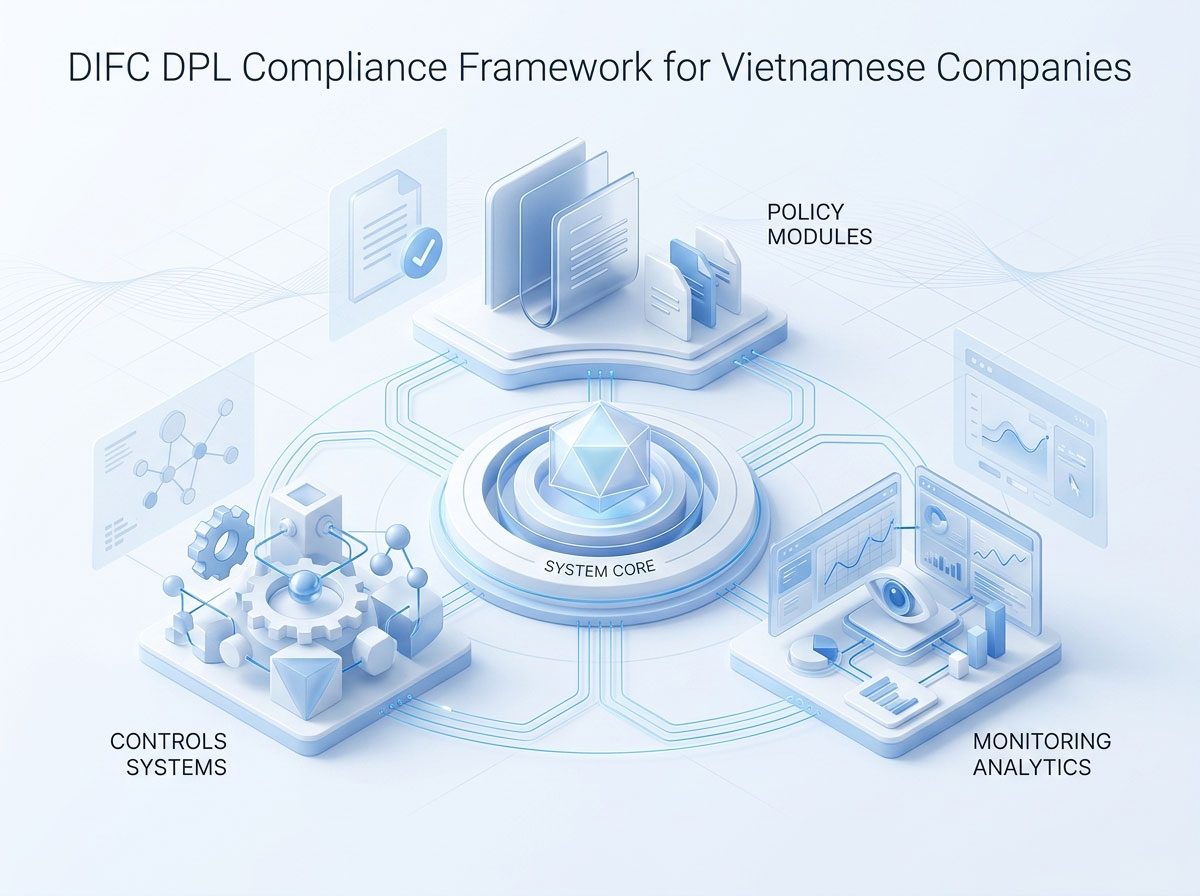
DIFC DPL Compliance Framework for Vietnamese Companies
A structured framework helps organizations manage data protection effectively. It includes policies, controls, and monitoring systems. This ensures consistent compliance.
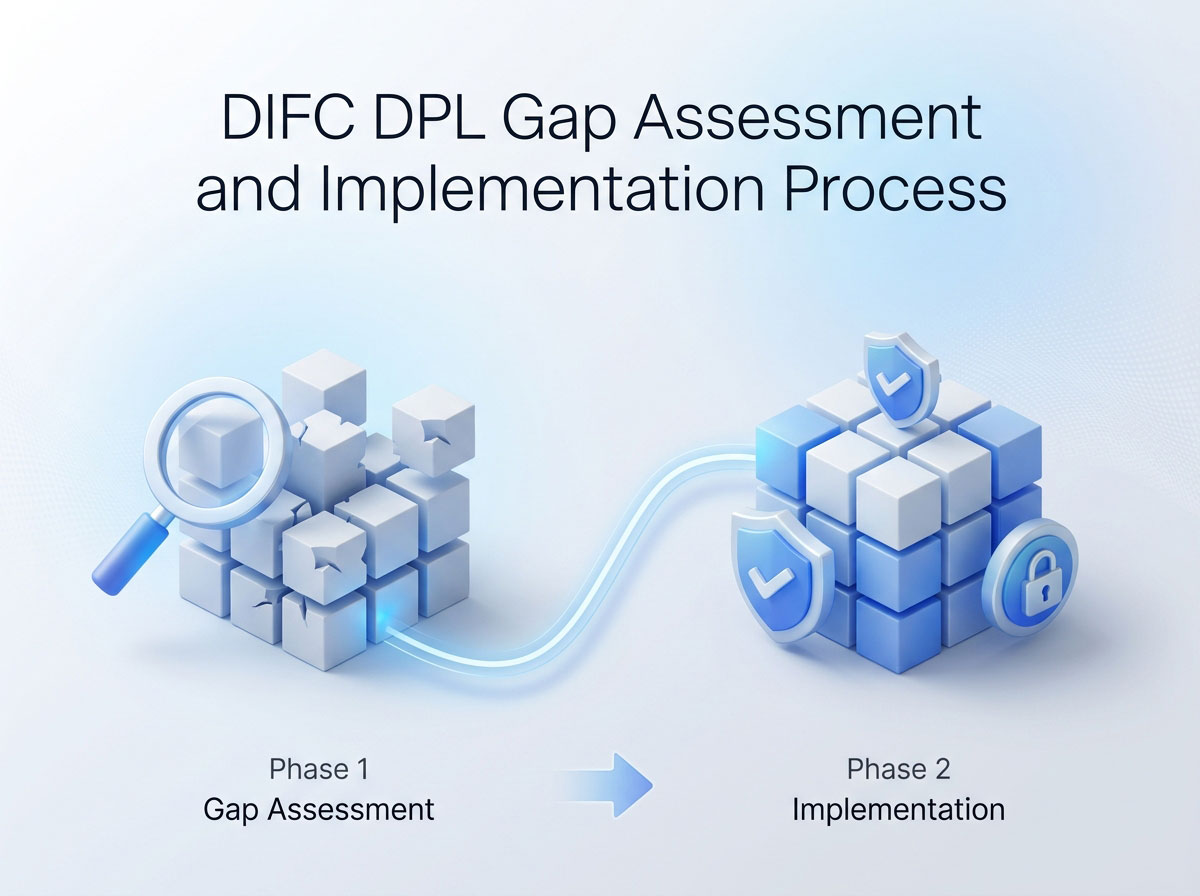
DIFC DPL Gap Assessment and Implementation Process
Gap assessment identifies areas where current practices do not meet DIFC requirements. Implementation includes fixing these gaps and applying controls. This ensures full compliance.
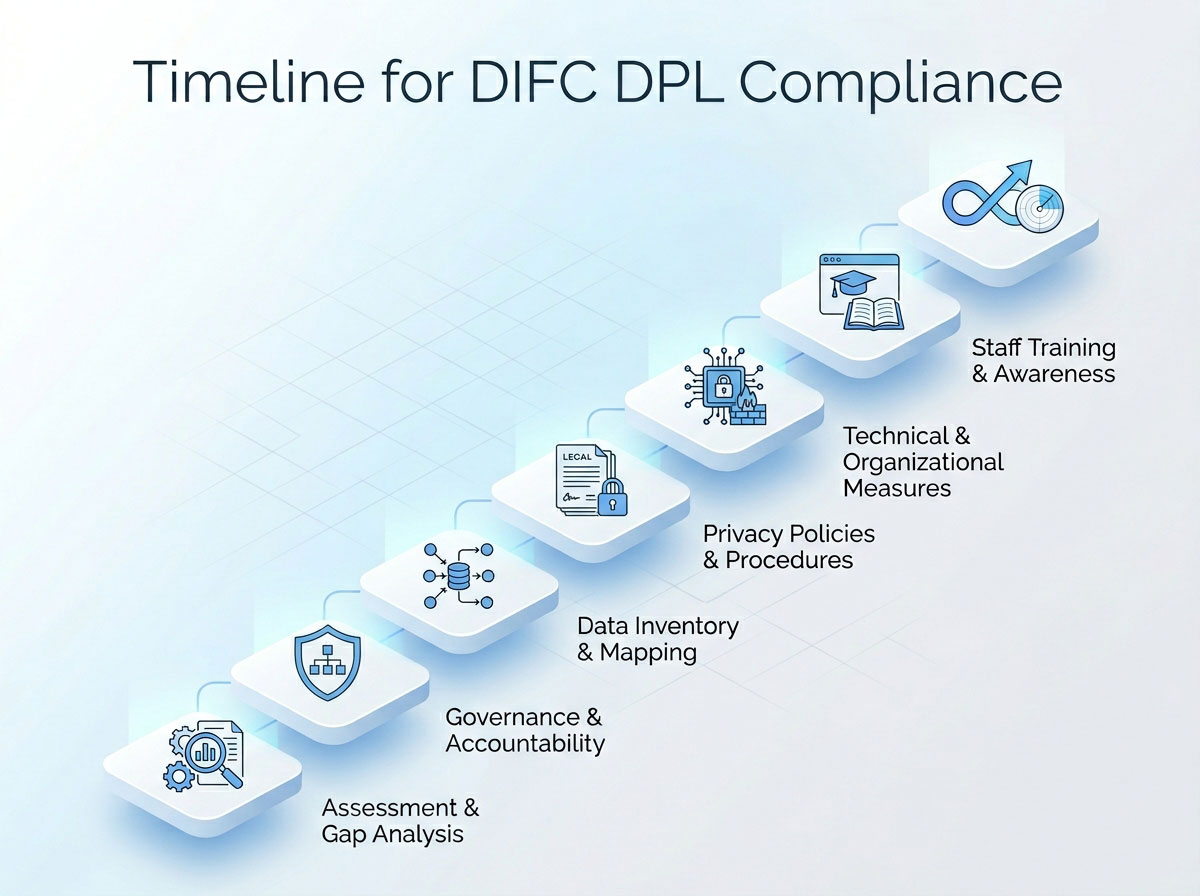
Timeline for DIFC DPL Compliance
The schedule rests on how ready the organization is and how big it is. It could be weeks or months. Proper planning can speed up the process.
DIFC DPL Compliance Cost in Vietnam
The cost depends on the scope, size, and complexity of the organization. It includes consulting, implementation, and training costs. Investing in compliance reduces long-term risks.
Benefits of DIFC DPL Compliance
DIFC DPL compliance offers several benefits that help organizations improve data protection and business performance, including:
- Strong data security
- Improved customer trust
- Reduced legal risks
- Better compliance with global standards
- Improved data management
- Enhanced business reputation
- Strong data security
- Improved customer trust
- Reduced legal risks
- Better compliance with global standards
- Improved data management
- Enhanced business reputation
These benefits support growth and global expansion.
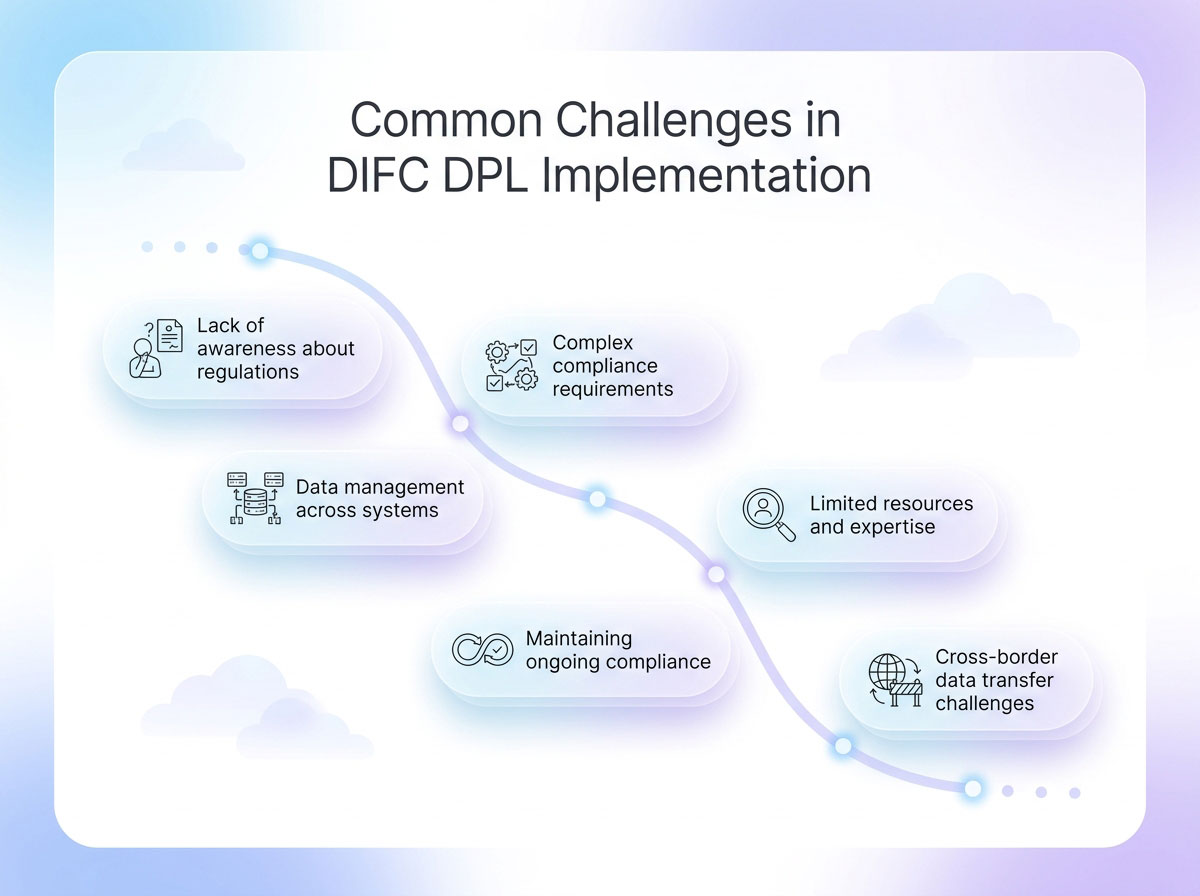
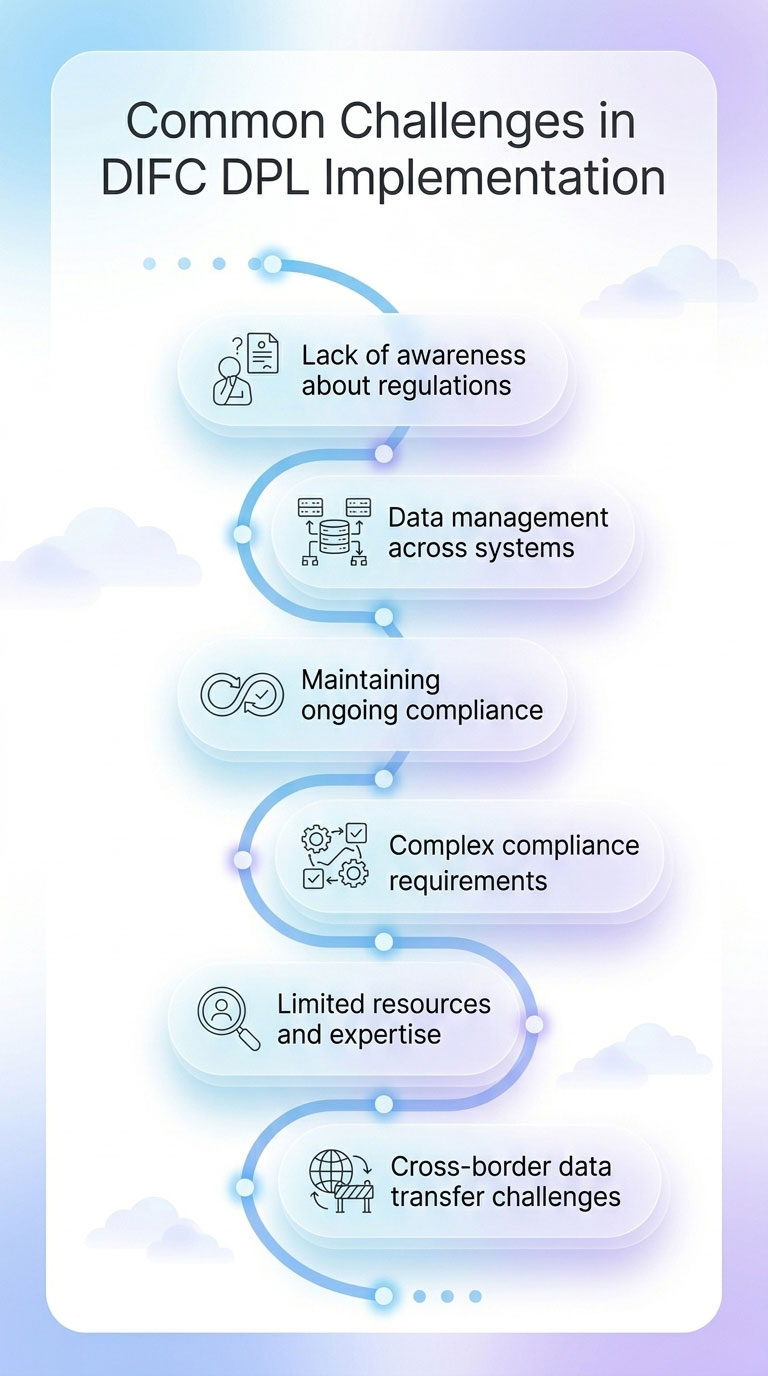
Common Challenges in DIFC DPL Implementation
Organizations may face several challenges while implementing DIFC DPL, especially related to data management and compliance complexity, such as:
- Lack of awareness about regulations
- Complexity of compliance requirements
- Difficulty in managing data across systems
- Limited resources and expertise
- Maintaining compliance over time
- Handling cross-border data transfers
With expert guidance, these challenges can be simplified, especially in implementation and ongoing compliance management.
DIFC Compliance Ho Chi Minh City
Organizations in Ho Chi Minh City can implement DIFC DPL compliance to strengthen data protection and meet international standards. It helps businesses working with global clients improve trust, reduce risks, and ensure smooth cross-border data handling.
Data Protection Consulting Hanoi
Businesses in Hanoi can benefit from expert data protection consulting services to achieve DIFC DPL compliance. Professional guidance helps organizations manage privacy risks, improve governance, and align with global data protection requirements.
DIFC DPL Services Da Nang
Organizations in Da Nang can use DIFC DPL services to implement effective data protection frameworks. Expert support ensures proper documentation, risk assessment, and compliance with international data privacy standards.
Why Choose Univate for DIFC DPL Compliance in Vietnam
Organizations looking for reliable compliance support can choose Univate for effective implementation and guidance because of the following reasons:
- Experienced data protection consultants
- End-to-end compliance support
- Customized solutions for business needs
- Expertise in global regulations
- Practical implementation approach
- Proven success in compliance projects
- Experienced data protection consultants
- End-to-end compliance support
- Customized solutions for business needs
- Strong expertise in global regulations
- Practical implementation approach
- Proven success in compliance projects
Univate helps organizations achieve compliance efficiently and securely.